サマンサ・クラーク
Samantha Clark
オークニーを拠点とするビジュアルアーティスト、ライター。オークニー諸島の風、空、海といったダイナミックな自然環境に呼応した作品を制作する。特に、水を、この世界における深い共生関係とはかなさを示すものとして捉えて思索の対象としている。クラークの実践は、執筆、ドローイング、インスタレーション、映像、そして公共空間における恒久設置作品など多岐にわたり、現在は絵画と反復がもたらす瞑想性について取り組んでいる。
エディンバラ芸術大学(1985~1989年)、ベオグラード美術アカデミー(1991年)、スレード美術学校(1993~1996年)で学び、UCLANで環境哲学の修士号(2011年)、セント・アンドリューズ大学でクリエイティブ・ライティングの博士号(2017年)を取得。これまでに数多くのレジデンシー、コミッションワーク、展覧会を行っており、2019年にはカークウォールにあるバルフォア病院のために30メートルの壁画を制作した。そのほか、オックスフォード大学、ローマ・ブリティッシュ・スクール(1991年)、タスマニア大学(2000年)、バーゼルのIAAB国際交換スタジオ(2004年)などでレジデンシーを経験した。初の著書『The Clearing』は、2020年にLittle, Brown社より出版された。2023年には、初代となるRSA MacRobert Trust Art Award for Paintingを受賞した。
https://www.samanthaclark.net/
Samantha Clark is a visual artist and writer based in Orkney whose work responds to the islands’ dynamic natural environment of wind, sky and sea. In particular, the element of water has become a focus of contemplation that reveals the deep interdependence and impermanence of the living world. Sam’s practice encompasses writing, drawing, installation, video and permanent works in the public realm, with painting, and the meditative quality of repetition as her primary current focus. Sam trained at Edinburgh College of Art (1985-89), Belgrade Academy of Fine Arts (1991) and the Slade School of Art (1993-6). She has an MA in Environmental Philosophy (UCLAN, 2011) and a PhD in Creative Writing (St Andrew’s University, 2017). She has carried out numerous residencies, commissions and exhibitions, including a commission to create a 30m mural for the Balfour Hospital in Kirkwall in 2019, residencies at Oxford University, the British School at Rome (1991), the University of Tasmania (2000) and IAAB International Exchange Studios in Basel (2004). Her first book ‘The Clearing’ was published by Little, Brown in 2020. In 2023 she received the inaugural RSA MacRobert Trust Art Award for Painting.
https://www.samanthaclark.net/
- 日本語
- ENGLISH
アーティスト・イン・レジデンス プログラム2025「CAMP」 参加
アーティストになろうと思ったきっかけや、どのようにしてアーティストとなったのか、学んできたことや影響を受けた物事などを踏まえて教えてください
子どもの頃、私の周りにはアーティストはいませんでした。自分がアーティストになれるということすら知りませんでした。ただ、絵を描くことが大好きということは知っていました。その後、美術史を学び始めると、アートは単に「素敵なもの」なのではなく、ものごとを考えるための方法であり、アイデアそのものであり、世界や社会、そして私たちの生き方を理解するための手段なのだと気づきました。そこで、両親の反対を押し切って美術学校へ進学することを決めました。それは「アーティストになりたい」からではなく、アートを続け、学び、その環境に身を置き、できる限り制作を重ねて、もっと上達したいと思ったからです。当時の私はまだ17歳でした。そして40年が経った今でも、私は学び続け、できる限り制作を続けています。いつか本当に「上手になれた」と思える日が来ることを願っています。
今回のAIRプログラムに応募したきっかけを教えてください
オークニー諸島にあるピア・アーツ・センターから、このAIRに参加するためのプロポーザルを作るよう声をかけていただいたことがきっかけでした。(※1)それまでの2年間は、一連の展覧会に向けてスタジオにこもり、一人で絵を描く時間を多く過ごしていました。ちょうど何か新しいことに挑戦し、自分のコンフォートゾーンから一歩外へ出て、それまであまり知らなかった場所を訪れてみるには良いタイミングだと感じました。
※1クラークは、ピア・アーツ・センターとACACが協働して実施するエクスチェンジプログラムを通じて、「CAMP」に参加した。
AIRで行ったリサーチ・作品制作・成果発表において新たに発見したことや挑戦したことなどあれば教えてください
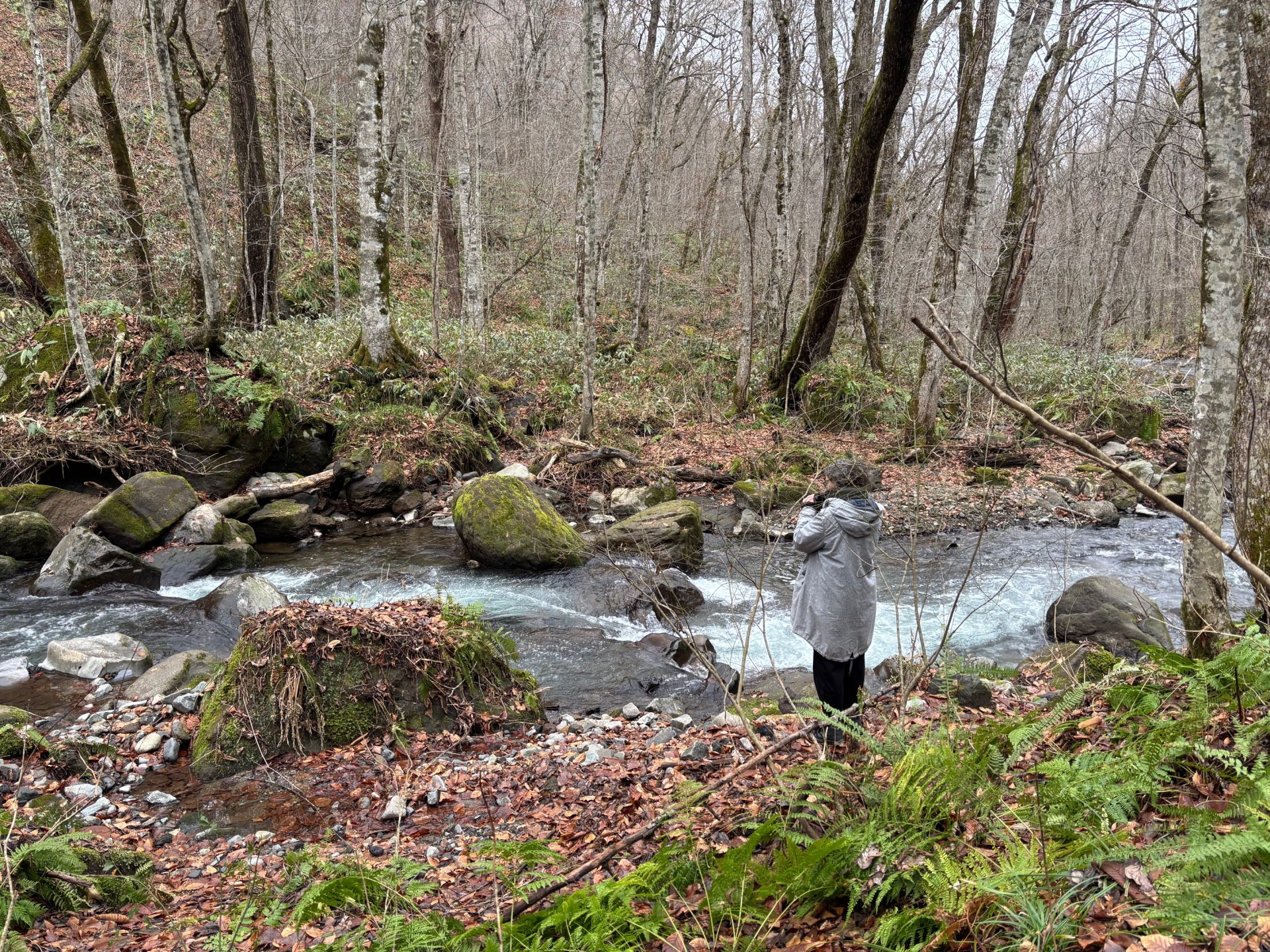
到着して間もなく展覧会の準備をしなければならなかったことは、大きな挑戦でした。しかし、限られた期間の中でも意欲的な作品を完成させられるよう、事前にしっかり計画を立てて臨みました。その分、スタジオやギャラリーで長時間制作に取り組むことになり、新しい場所を巡ったり、リサーチをしたりする時間はあまり取れませんでした。それでも、これほど長時間にわたって描き続ける経験は、とても力強いものでした。また、ギャラリーを訪れた人たちと静かに同じ空間で制作しながら、反復するドローイングのリズムに引き込まれ、彼らの雰囲気やエネルギーが少しずつ変化していくのを感じられたことも、とても興味深い体験でした。
他のアーティストやゲスト審査員、地域の人々といった他者との協働ややりとり、この土地について印象に残っていることなどはありますか
皆さんが本当に温かく、惜しみなく迎えてくださいました。最初にスーパーマーケットへ行った時には、地元の女性が「青森りんごならこれが一番おいしいから」と熱心に勧めてくださったことが印象に残っています。その後も、ギャラリーを訪れた方々がたくさんのお菓子や贈り物を持ってきてくださったり、ACACのスタッフの皆さんが惜しみないサポートをしてくださったり、美しい施設で制作できたりと、滞在中は終始とても恵まれた環境の中で活動することができました。
今回の経験は今後の活動にどのような影響をもたらすと思いますか。また、これから予定している活動などあれば教えてください
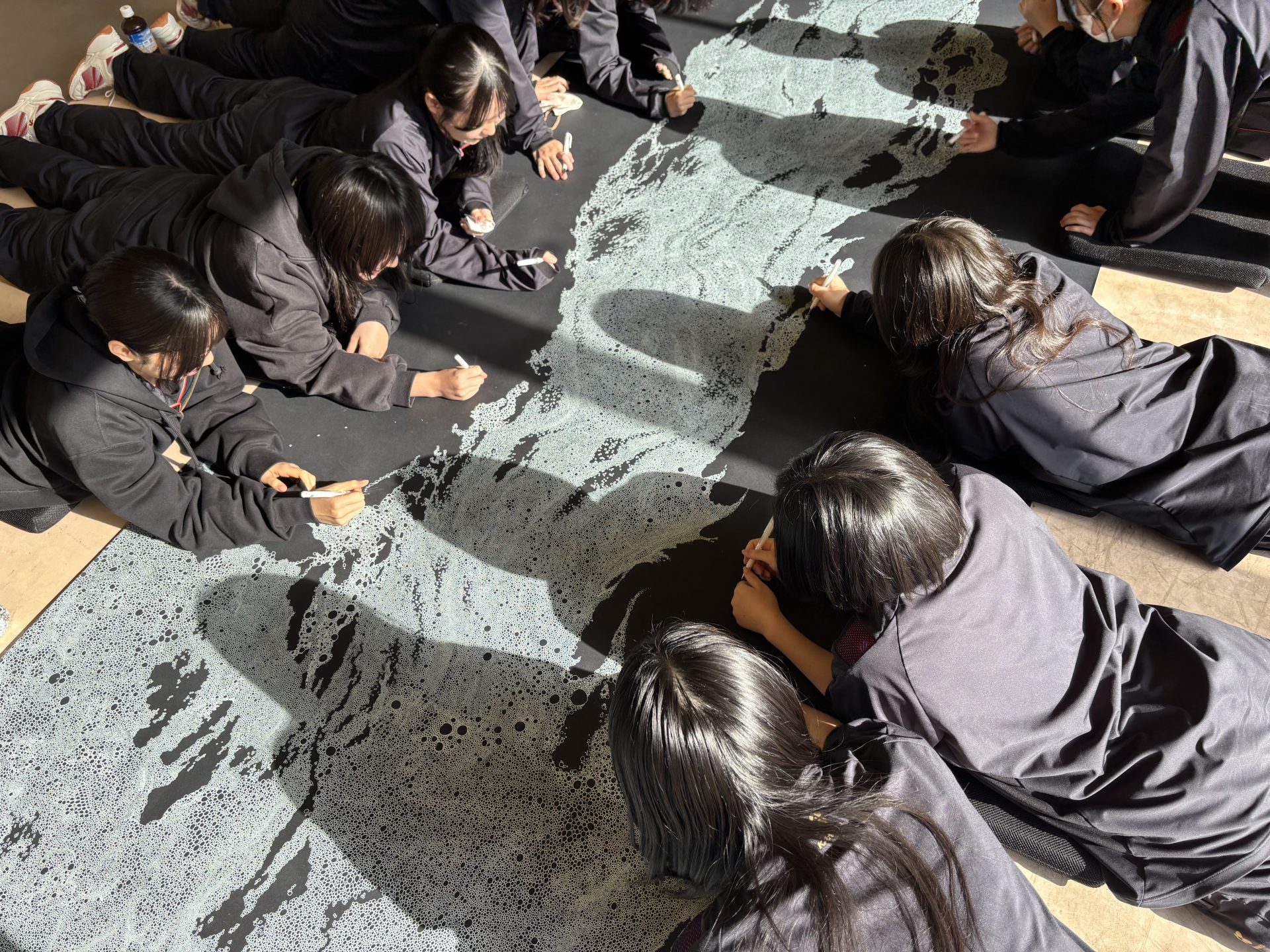
ACACでの経験を通して、大規模な協働ドローイングを自分の制作活動の一部としてさらに探求していく自信を得ることができました。青森で皆さんと一緒に制作したドローイングは、まもなくエディンバラのロイヤル・スコティッシュ・アカデミーで開催される、創立200周年記念展に出品される予定です。また現在は、2027年にエディンバラのスコティッシュ・ギャラリーで開催予定の個展に向けて、新作の絵画制作にも取り組んでいます。
私たちを取り巻く水の絶え間ない流れは、人間の制御を超えた、時間的にも空間的にも果てしない存在のように感じられます。このテーマについて制作の中で考えるとき、どのようなことを感じますか。
自然の中で自分という存在の小ささを実感することは、一種の自由を感じることでもあります。自分はそれほど大きくも重要でもない存在なのだと理解すると、日々の悩みや執着もまた小さく感じられるようになります。そこには、どこか心が軽くなるような感覚があります。私たちはすべてをコントロールしようとする必要はありません。ただその流れの中に参加し、思い通りの結果ばかりを求めることを手放していけばよいのです。
Participated in Artist in Residence Program 2025 “CAMP”
What inspired you to become an artist, and how did you embark on this path? Please share your journey, including what you have learned and what has influenced you.
When I was a kid I didn’t know any artists. I didn’t know it was something you could do. I just knew that I loved drawing. And then when I began to study some art history, I realized that art wasn’t just a nice thing to do, but that it was a way of thinking, that it was about ideas, and it was a way of understanding the world and society and how we live. So, against my parents’ wishes, I decided I wanted to go to art school. Not because I wanted to ‘become an artist’ but because I wanted to keep doing art, learning about it, being surrounded by it, and practising it as much as possible so I could become good at it. I was very young. Only 17. Forty years later I am still learning about it and practicing as much as possible. One day I hope to become good at it.
What motivated you to apply for the Artist in Residence Program 2025 “CAMP”?
I was invited to make a proposal for CAMP by the Pier Arts Centre here in Orkney. I had been spending a lot of time alone in my studio painting working for a series of exhibitions for the last two years, and it seemed like a good time to do something new and different, get out of my comfort zone, and discover a place I didn’t know much about before.
*Clark participated in Residence Program 2025 “CAMP” through an exchange program jointly organized by the Pier Arts Centre and ACAC.
Were there any new discoveries or challenges you encountered during your research, artwork creation, or final presentation at the AIR program?
It was a big challenge to get ready for an exhibition so soon after arriving, but I came with a plan that meant I could make an ambitious piece of work in the time I had available. This did mean that I had to work long hours in the studio and then in the gallery, so I didn’t have much time to explore and research new things. However, drawing for such an extended period of time was a powerful experience. It was interesting to work silently alongside gallery visitors and feel how their energy shifted as they engaged with the repetitive rhythm of drawing.
Did any interactions with other artists, guest judges, or local community members leave a strong impression on you? What are your lasting impressions of this place?
Everyone was so generous and welcoming. From my first moment in the supermarket, when a local woman insisted on making sure I got the very best Aomori apples to taste, to the stream of gifts and snacks that gallery visitors brought me, to the generous support of ACAC staff and the beautiful facilities, I felt very well supported throughout.
How do you think this experience will influence your future practice? Also, if you have any upcoming projects, please share them with us.
My experience at ACAC has given me confidence to explore large-scale collaborative drawing as part of my practice. The drawing that we made together in Aomori will soon be exhibited at the Royal Scottish Academy in Edinburgh as part of their 200th anniversary Open Exhibition. I am also working on new paintings for a solo exhibition in 2027 at The Scottish Gallery in Edinburgh.
The endless flow of water around us seems to extend beyond human control, both physically and temporally—it feels vast, expansive, and almost overwhelming. When you think about this theme in your artistic process, how does it make you feel?
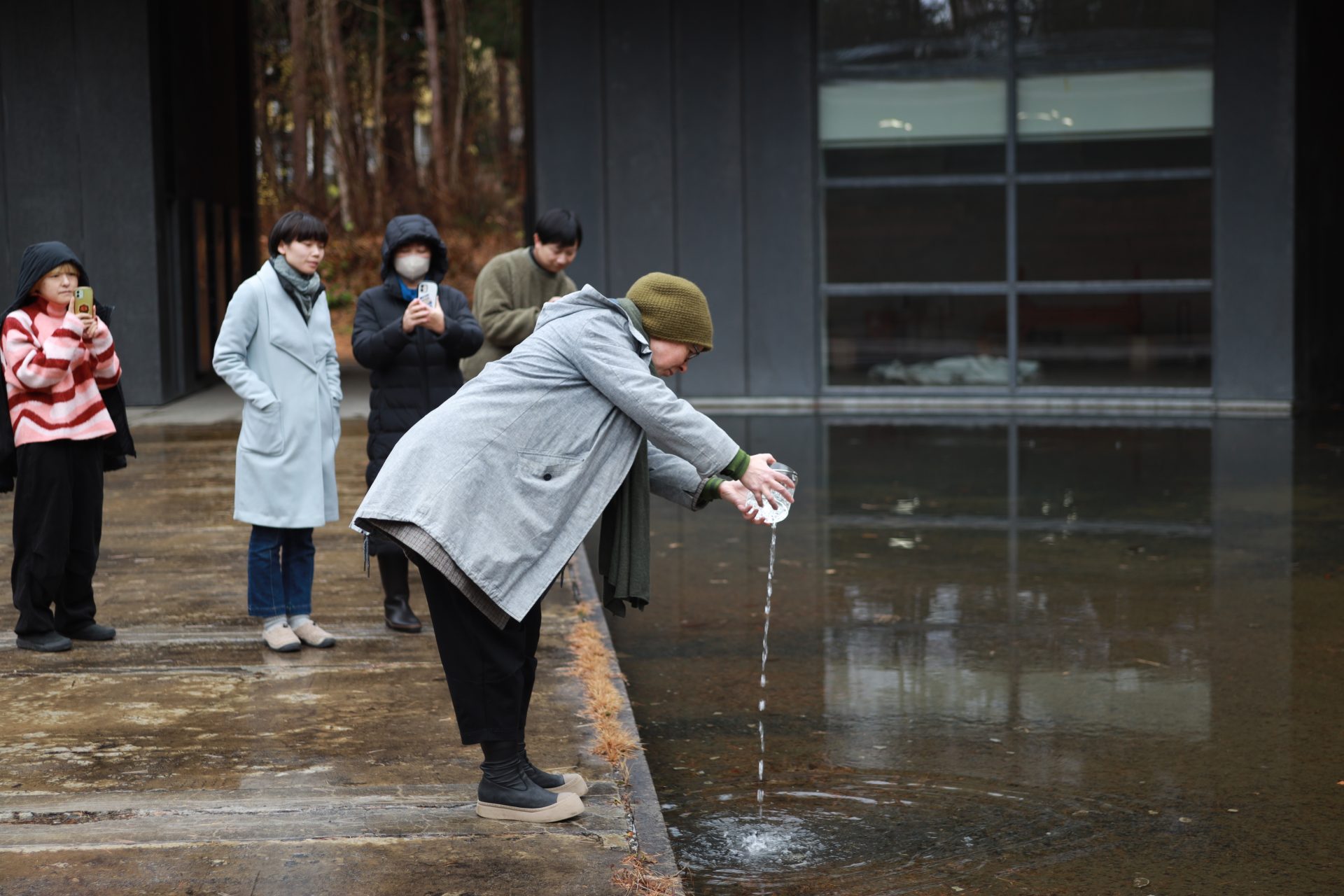
To feel our own smallness within nature is to feel a kind of freedom. When we understand that we are not really that big or important, our worries and preoccupations shrink too. There’s a sense of lightness in that. We don’t have to try and control everything. We just have to participate, and let go of always wanting a particular outcome or result.
*Interview conducted in April 2026.