浅野 友理子
ASANO Yuriko
1990年宮城県生まれ。2015年東北芸術工科大学大学院芸術文化専攻洋画研究領域修了。食文化や植物の利用を切り口に様々な土地を訪ね歩き、出会った人々とのエピソードを交えながら記録するように描く。主な個展に、「種の温床」(SNOW Contemporary、2023年)、「つづり思考」(風の沢ミュージアム、2023年) 、グループ展に、「土とともに美術にみる〈農〉の世界―ミレー、ゴッホ、浅井忠から現代のアーティストまで―」(茨城県立近代美術館、2023年)、「みちのおくの芸術祭 山形ビエンナーレ2022」(2022)、「青森EARTH2019 いのち耕す場所 農業がひらくアートの未来」(青森県立美術館、2019)など。「VOCA展2020 現代美術の展望ー新しい平面の作家たち」大原美術館賞受賞。
Born in Miyagi in 1990. Completed her master’s degree in oil painting, Tohoku University of Art & Design in 2015. With her interests in food culture and uses of plants, ASANO Yuriko visits various places in Japan and overseas and paints as if recording episodes with the people she encounters.
Major solo exhibitions include ‘Tane no Onshou’ (SNOW Contemporary, 2023) and ‘Tsuzuri Shikou’ (KazenoSawa Museum, 2023), and group exhibitions include ‘Agriculture in Art’ (The Museum of Modern Art, Ibaraki, 2023), ‘Michino Okuno Art Festival: Yamagata Biennale 2022’ (2022), ‘AOMORI EARTH2019: AGROTOPIA –WHEN LIFE BECOMES ART THROUGH LOCAL AGRICULTURE’ (Aomori Museum of Art, 2019), etc. ‘VOCA Exhibition 2020’ Ohara Museum of Art Prize.
- 日本語
- ENGLISH
アーティスト・イン・レジデンス プログラム2024 “SPINNING SCAPES”参加。
アーティストになろうと思ったきっかけや、どのようにしてアーティストとなったのか、学んできたことや影響を受けた物事などを踏まえて教えてください。
幼少期から絵を描くことが好きでした。植物は、シンプルにその造形が好きで描いていました。一方で様々な土地の民芸品や衣服などの文様に描かれている草花や、民話などに登場する果実や種子の象徴的な意味合いにも興味がありました。だんだんと植物そのものと、もっとその周辺にあるものに関心がでてきました。
大学時代を山形で過ごすうちに、木の実や山菜などの採集や保存食の文化に出会って、そうした植物をその土地に住む人たちがどのように活用して生きているのか、植物をきっかけにみえてくる人々の営みや、個人が持つエピソードを聞くことがおもしろくなっていきました。それを絵の中に記録するように描きはじめてみたのが、いまの制作スタイルの始まりでした。
土地ごとに受け継がれている食文化や薬草としての利用方法、染めものや編み細工など、とくに女性たちの手仕事について興味がありました。それぞれの土地で、これは描いてみたいと思わせてくれるような出会いがあって、そこで生きている方たちと植物の姿を重ね合わせて描くこともあります。
また、異なる地域で再びある植物と出会いなおしたときに、その違いや共通する部分は何なのか、それぞれがどこからやってきたのかという、ルーツにも興味を持つようになりました。大きな歴史についても考えますが、偶然そこを訪れたからこそのささやかな個人的な出会いのようなものを大切にしています。
今回のAIRに応募したきっかけを教えてください。
学生時代、当時教員をされていたテキスタイル作家の辻けいさんの作品のメンテナンスに同行する機会があり、ACACに1日だけ滞在したことがありました。そのときからこのレジデンスプログラムに憧れがありました。当時は日本とインドから来たアーティストの方々も滞在していて、制作の様子を垣間見せてもらえて刺激を受けたことを覚えています。自然に囲まれた環境で、かつ国内外の様々なアーティストと同じ時間滞在しながら、作品制作に没頭できる空間と設備があって、とても魅力的な場所におもいました。
応募のタイミングは、ちょうど鳥が運ぶ種子についてのリサーチや制作を始めた頃だったので、ここなら一つの場所に留まりながら野鳥の動きを観察するのにとても良い環境だとおもいました。海外でのレジデンスも考えはじめていたタイミングで、色々な方と交流ししてみたい気持ちもありました。この時の募集テーマでもある“SPINNING SCAPES” の、世界を回転させる、紡いでいくというテーマも、往来する鳥たちや鳥たちが運ぶ種子という、調べてみたい事柄とも繋がるようにおもいました。
AIRで行ったリサーチ・作品制作・成果発表において新たに発見したことや挑戦したことなどあれば教えてください。
まずはACACに滞在する中で様々な鳥の動きを観察しました。宿泊棟の部屋の窓から赤い羽根をしたキツツキがみえたり、森を歩いて耳を澄ますとアオゲラが木をつつく音が聞こえてそれを探して歩いたり。鳥に詳しい工藤さんと一緒に歩いていくうちに少しずつ解像度があがって、鳥の識別ができるようになっていきました。工藤さんは鳥の鳴き声だけですぐわかってしまうので、私はまだまだ初心者ですが、知らない鳥をみつけるたびに図鑑を開いて教えてもらっていました。
ヤマガラという鳥の貯食行動を観るために、駐車場の近くのエゴノキの下に双眼鏡をもって張り付いたのも良い時間でした。木の実を加えてどこかに隠しにいく鳥を追いかけて、それをデッサンしたり。こうしてじっくりと向き合える時間自体がとても贅沢で、学生時代に戻るような感覚でした。
少し足をのばして十和田湖や奥入瀬、鶴田町や平内町も尋ねました。そこではキツツキの食べた朴の実からこの森の植生について学んだり、ミソサザイという小さな鳥が奥入瀬の苔で巣を作っているお話を聞いたりしました。
たまたまカヌーに乗れることになって、カヌーを漕いで水鳥を追いかけたのも、鳥の目線を垣間みせてもらえたようで貴重な体験でした。平内の農園では飼い犬の毛を毟り採って巣を作っていた鳥の話など、生活の中でみえたささやかなエピソードも聞いたり、鳥と植物に限らず、人と鳥、鳥と他の生き物たちの関わりあいを見聞きして歩きました。
最終的に描いた作品《ひそやかな交易》は、鳥たちが残した小さな痕跡の観察から、この滞在を通してみえてきた生き物たちの関係性や、大きな循環をテーマに描いた作品です。大作制作に至るまでの過程の中で、まずは木炭デッサンを繰り返しました。鳥の糞やペリット、尋ね聞いたエピソードも含めて鳥や生き物たちが残した小さな痕跡を探して、それを大きめの木炭紙に拡大して何枚も描いていきました。
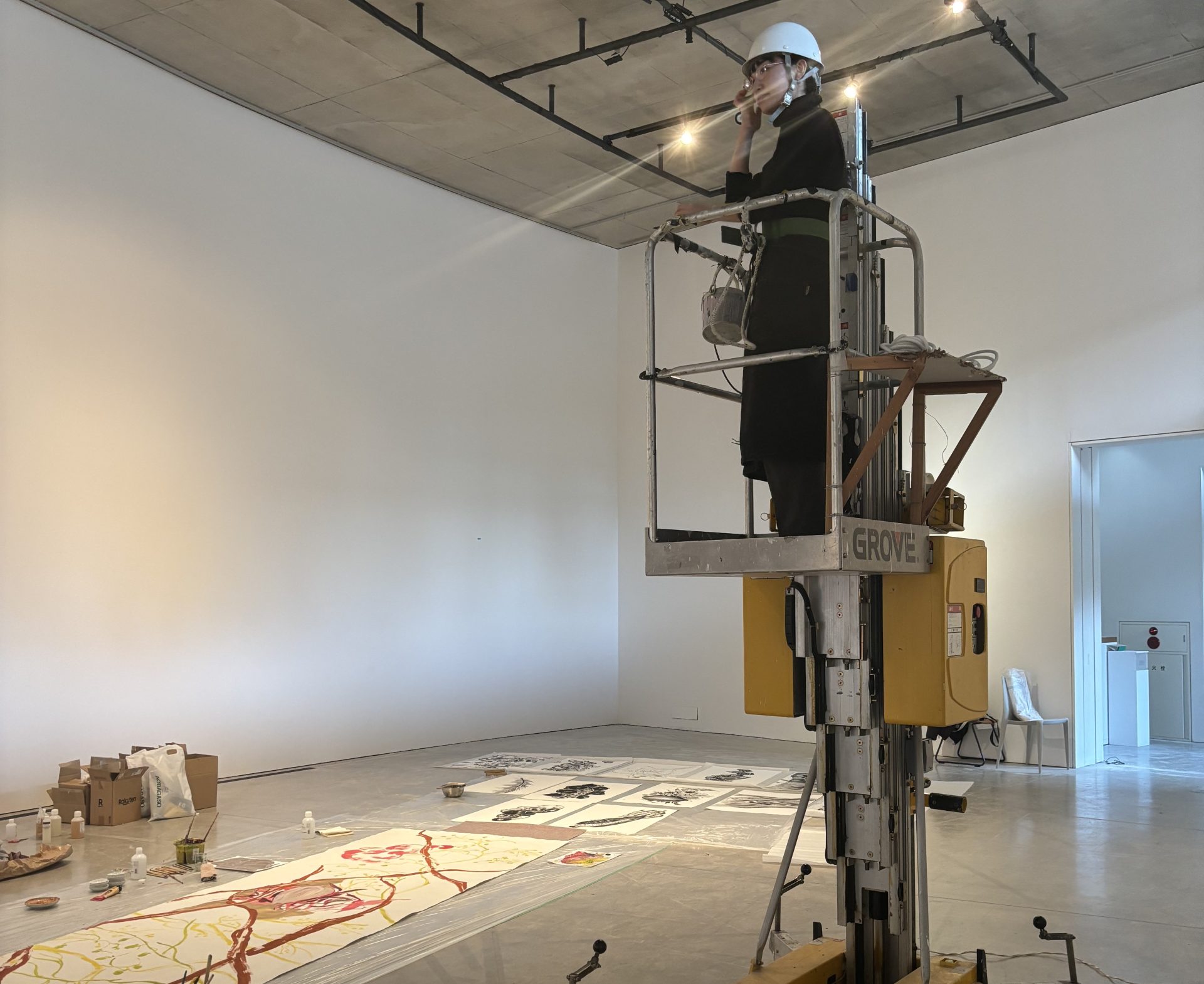
ACACの広くて天井の高いスペースには、できるだけ自分の体ではコントロールできないサイズの作品に挑戦してみたいとおもっていました。制作中は、展示空間の中で大きな絵を平置きにして描いていました。たまに上に登って天井側から絵を覗き込んでみたり、あまり気にせず近くによって描いてみたりと、絵の上で動き回っていました。私が何度も紙の上を行き来する動きが、パフォーマンスをみているようだと瀬藤さんが言っていて、描いているときの動きを意識するようになりました。描く前のプロセスとして鳥や植物、土地への取材はもちろん行いましたが、今回は描き始めてからの流れにも新しい発見がありました。
他のアーティストやゲスト審査員、地域の人々といった他者との協働ややりとり、この土地について印象にのこっていることなどはありますか。
それぞれ異なるルーツを持っている方が集まるこのプログラムで、アーティストのマギーさん、八幡さん、ベアトリスさんとご一緒できて嬉しかったです。制作過程をみせてもらったり、一緒に鳥の観察をしたり、完成して展示された作品の前でゆっくり話したりする中で、それぞれの作品は同時期に同じ場所で制作したからこその繋がりがみえてくるようにもおもいました。
日中はそれぞれが制作やリサーチを行いつつも、夜は一緒に食事をしたりして過ごしました。滞在初期や、展覧会が始まってからはアーティストやスタッフのみんなで八甲田エリアの温泉に行ったり、一緒に五所川原や十和田を尋ね、水族館やライブにも行ったりと青森を満喫する時間もありました。他にも地元の方しか知らないような温泉に連れて行ってもらったり、5年前の青森での展覧会でお世話になった平内の農家さんを再び訪ねてお話を聞かせてもらうこともあり、地域の方々にもとてもお世話になりました。
そしてこの滞在中、常に職員の皆さんとリサーチをともにしていたので、展示を一緒に作り上げていく上でもとても心強かったです。
最終的に完成した作品を会場で展示したときに、4名の作品が自然と緩やかにつながっていく印象がありました。みんなでゲスト審査員の近藤さんの書かれたテキストを夕飯の時間に読み合ったりした時間もありました。それぞれが青森という土地で、同じ時期に滞在してお互いにどこか繋がる部分があり、影響を受け合う部分があったとおもいます。一緒に滞在したアーティストの作品や制作に対する姿勢や、展覧会を作り上げていく時間を共有できることは、毎回新鮮な気づきがあります。今回もそれがあって、最終的に作品同士が響きあう、とても良い展示空間になっていたようにおもいます。
今回の経験は今後の活動にどのような影響をもたらすと思いますか/もたらしましたか。また、これから予定している活動などあれば教えてください。
土地に滞在して、リサーチを行いながら、制作にも没入できる空間を与えてもらえて幸せな時間でした。こうした機会をいただいたときに、どうしても向き合える時間はその都度異なるのですが、観察して描く、という初心に立ち返るようなことを思い出しました。今後も様々な土地で、こうありたいです。
この春から夏にかけて台湾、韓国、中国を訪ねて歩く予定でいます。夏からはニュージーランドに半年ほど滞在する予定で、今年はあちこち動きまわる時間になりそうです。植生やその土地で受け継がれる生活文化を聞き歩きながら、和紙作りや焼き物作りなど、自分が興味のあるメディアについても尋ねて、それぞれの共通性と違い、歴史的な繋がりについて調べて歩けたらと考えています。
鳥と植物の関係性からみえてくるものについても引き続き観察していきたいとおもっています。特にニュージーランドは鳥の島でもあります。また、様々な土地を訪れている自身にとって、今回テーマの一つでもあった種子の移動は、人の動きとも重なる部分があります。移動という大きなテーマも引き続き考えてみたいです。
リサーチのため、ACACの森の散策路を何度か歩きましたが、その中で強く印象に残っていることを教えてください。
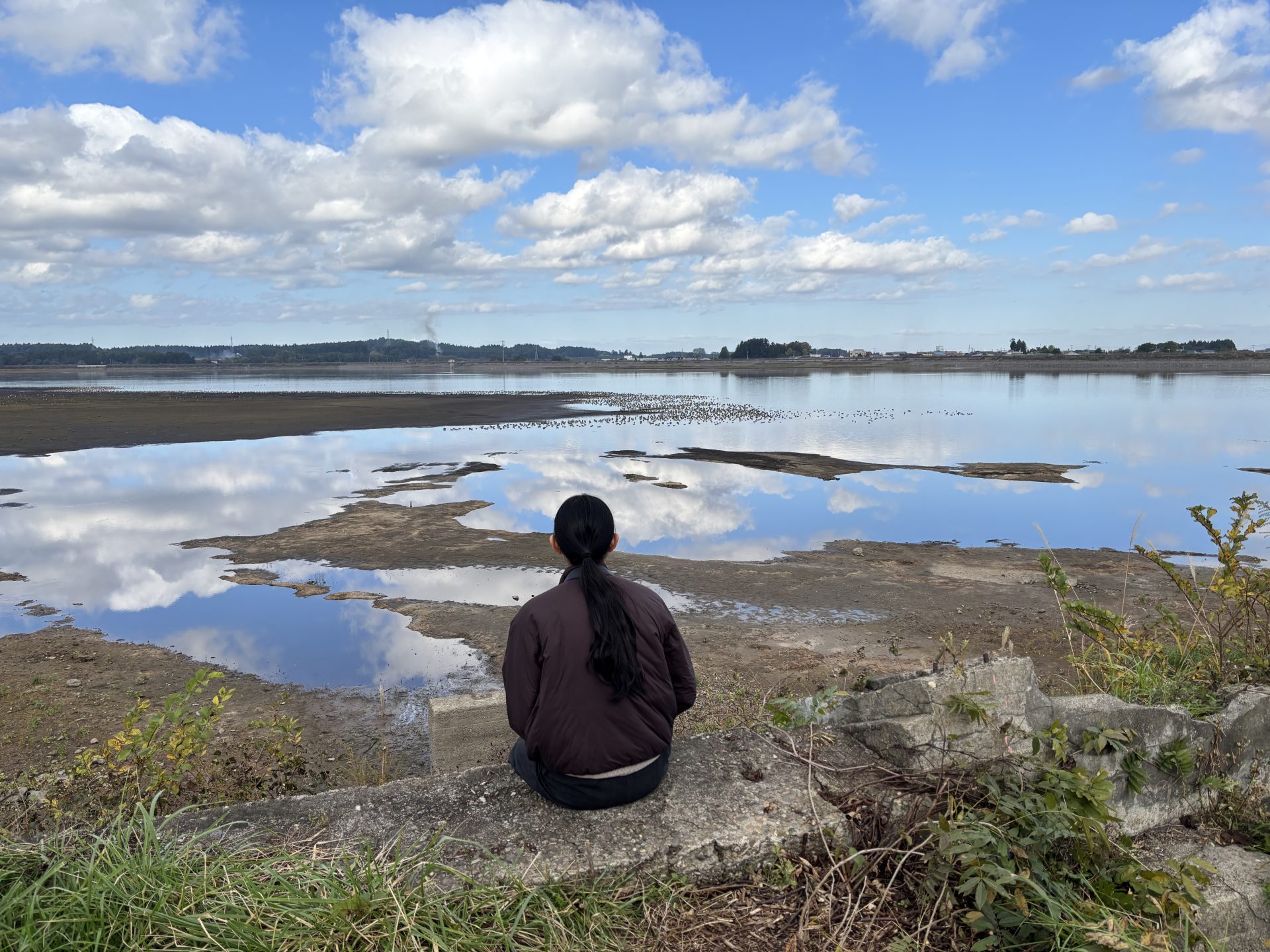
常に熊がでると言われていて、でも熊鈴をつけてしまうと鳥が逃げてしまうということで、どきどきしながら森に入ることが多かったです。
ベアトリスさんと一度早朝の森の中にはいっていったことがあって。そのときに雪の中に動物の足跡があって、私は帰ろうと伝えたけど、ベアトリスさんはとてもわくわくしていました。彼女の方がより自然との距離感が近いようにおもえました。一緒に歩く時間自体が作品のようで、パフォーマンスの中に入っていくような感覚で、途中ヨーロッパの森の話をしてくれたりして、とても新鮮で楽しかったです。
(インタビューは2026年5月に実施。)
Participated in Artist in Artist in Residence Program 2024 “SPINNING SCAPES”
Could you please talk about what made you decide to become an artist? How did you get started? What have you learnt since then? What influences have shaped your practice?
I have loved painting ever since I was little. I began painting plants, simply because I liked their shapes. I was also interested in the symbolic meanings of things like the flower and plant patterns found on various folk crafts and clothing, and the fruits and seeds that appear in folktales and other stories. Over time, I became more and more interested in both plants themselves and the things around them.
I first encountered the cultural practices of gathering and preserving wild nuts and vegetables as a university student living in Yamagata. I grew to enjoy hearing how the local people used such plants in their daily lives, what plants revealed about their ways of life, and their personal stories. My current style stems from my initial attempts to depict these things in my paintings as a means of recording them.
I was interested in the various traditional food cultures, uses of medicinal herbs, and crafts (dyeing, knitting, and so on) across different regions, particularly those practices associated with ‘women’s work’. In each place, I have had encounters that I have been inspired to paint. Sometimes my paintings even superimpose the figures of the people who live in those places over the plants, or vice versa.
I have also become interested in the ‘roots’ of plants, as it were: for example, when I encounter the same type of plant in different places, I think about the differences and similarities between the two plants, and where each of those differences or similarities comes from. While I do think about the deep history of such things, I also cherish these small, personal encounters that were made possible only because I happened to be visiting that place at that time.
What was your motivation for applying to our Artist in Residence programme 2024 ‘SPINNING SCAPES’?
When I was a university student, I had the chance to accompany TSUJI Kei, a textile artist who was my teacher at the time, to do maintenance work on one of his pieces at ACAC. I only stayed at ACAC for one day, but ever since then I have been fascinated by its residence programmes. At that time, there were artists from Japan and India staying there, and I remember how inspiring it was to catch glimpses of them working. I found it to be a very charming place, surrounded by nature, with spaces and facilities which would allow me to immerse myself in my art while living alongside other artists from Japan and around the world.
The application period was taking place just as I was beginning research and production for a work on the topic of seeds carried and dispersed by birds, so I thought that ACAC would be an especially good place for observing wild birds while staying in a single location. I had also been considering doing a residency overseas, so I was already looking forward to interacting with people from different backgrounds. And I felt that the theme of ‘SPINNING SCAPES’, of spinning and weaving the world, was also connected to the things that I wanted to look into, namely migratory birds and the seeds that they carry around with them from place to place.
Could you talk about any new discoveries that you made or challenges that you faced during the research, production, and presentation of your work as part of this Artist in Residence (AIR)?
First, I observed many types of birds while staying at ACAC. From the window of my room in the Residential Hall, I could see woodpeckers with red feathers. When walking in the forest, I would listen carefully for the sounds of green woodpeckers drumming their bills against the trees, and go searching after them. Walking together with KUDO Masayoshi, who knows a lot about birds, I felt my understanding and my ability to distinguish between different bird species improving little by little. Mr. Kudo could immediately tell the type of bird by its call alone, so whenever I – still very much an amateur – saw a bird that I did not know, he would take out his field guide and teach me.
I also had a good time sitting under a snowbell tree near the parking lot with my binoculars, gazing at a titmouse as it hoarded food for winter. I would chase after and sketch birds that had picked up nuts and flown off to hide them for safe keeping. Just having the time to focus like this was itself a real luxury; I felt like I had gone back to my student days.
I also took some short trips to visit places like Lake Towada, Oirase Gorge, Tsuruta Town and Hiranai Town. I learnt how the local forests grew out of the seeds of hackberry fruits that were eaten by woodpeckers, and heard how tiny wrens make their nests in the moss around Oirase Gorge.
Now and then I would get into a canoe and follow the waterfowl around, which was a valuable experience as it gave me a glimpse of the world from their perspective. I would also listen to little anecdotes about birds in people’s daily lives, like the story of a bird on a farm in Hiranai Town who built a nest out of the hairs that it plucked from the farmer’s dog. As I travelled around, I heard and saw such interactions, not only between birds and plants, but between birds and all kinds of living things, including people.
The piece that I ended up painting, The Silent Trade Between Living Things, explores the grand cycles of nature and the relationships between living things, revealed to me during my residency through my observations of the small traces that birds had left on the surrounding environment. The process leading up to the creation of this large-scale work began with a series of charcoal sketches. I searched for these small traces left behind by birds and other living things, including bird droppings and pellets, and even anecdotes from people. Then I drew enlarged versions of these traces on sheet after sheet of charcoal paper.
I wanted to try making something that would take full advantage of ACAC’s capacious, high-ceilinged architecture, something that would be too big for me to handle physically on my own. I painted the piece on a large sheet of paper which I laid out flat on the floor of the exhibition space. I moved around a lot as I painted, sometimes climbing onto a scaffold to look down at the painting from above, or bringing my face in close to the paper without really noticing. Curator SETOU Tomo told me that watching me shoot back and forth across the painting was like watching a performance, so now I am more conscious of my movements while I paint. I of course did a lot of research on birds, plants, and the local area before getting started on the painting, but this was something I discovered after I had begun the painting process.
Is there anything that stands out in your memory about the place itself, or about your collaborations and interactions with other people, such as your fellow artists, the guest judge, or the local residents?
I am glad that I was able to participate in this programme together with Maggie CHU, YAHATA Aki, and Béatrice DIDIER – three artists who all come from different backgrounds. They let me observe their creative processes, came birdwatching with me, and had long chats with me in front of their finished works. I felt that I could really see the connections that ran through all our works, connections that resulted precisely from all of us working at the same time together in the same place.
Even though each of us was busy with our own production and research during the day, we spent the evenings eating and hanging out together. We also got a full taste of Aomori, with the artists and staff travelling together to local hot springs at the beginning of the residency and after the start of the exhibition period, as well as to Goshogawara City, Towada City, aquariums, and even some live shows. The local people also took good care of us, showing us to secret hot springs apparently unknown to outsiders. I even got to visit and talk with a farmer in Hiranai Town who helped me during an exhibition I did in Aomori five years earlier.
Finally, throughout the residency, the staff members were always there to help me with my research. It was very reassuring to have people working alongside me as I put my exhibition together.
When we finally exhibited our finished works, I felt a natural and seamless connection between the pieces of all four artists. At dinner, we even read to each other from texts written by guest judge KONDO Ryosuke. I think that our staying in Aomori together at the same time gave us something in common and helped each of us influence each other’s work. I gain new insights every time that I am able to live alongside fellow artists as we share our works, our creative processes, and the experience of putting together a group exhibition. I felt the same about this residency, too, and I think it turned out to be a spectacular exhibition, with all the works complementing one another.
How do you think this experience will impact your future activities? And do you have anything planned at the moment?
It was a great experience having a place to stay and conduct research in the local area while also being able to focus on my creative work. Each time I am given such opportunities, I am reminded to go back to the basics of just observing and painting (even though the time I can devote to this always varies). I hope to continue doing so in various new places.
From this spring and into the summer, I plan to travel around Taiwan, South Korea, and China. Then, starting this summer, I will participate in a six-month-long residency in New Zealand, so I will be moving around a lot this year. As I travel around listening to stories about local vegetation and traditional ways of life, I hope to also ask about media that I am interested in, such as paper-making and pottery, in order to investigate their similarities and differences from place to place, as well as their historical connections.
I also want to continue my observations of what is revealed through the relationship between birds and plants. New Zealand in particular is known for its birds. As someone who has travelled to many different places, I have noticed some commonalities between the movement of seeds – one of my themes for this residency – and the movement of people. I want to continue exploring this larger theme of ‘movement’.
For your research, you went out for many walks along ACAC’s forest trails. Did anything from those walks leave a strong impression on you?
I was told that bears are always being spotted in the area, but I did not put on any bear bells because they would scare away the birds as well as the bears. So I was usually pretty nervous when I was in the forest.
One time, Béatrice and I went out into the forest in the early morning. We saw animal prints in the snow, and I told her we should go back, but she was thrilled. She seemed to be more in touch with nature than I was. It was a fun and refreshing experience. As she told me about the forests in Europe, I felt like our time walking together was a work of art in itself, as if I was stepping into a performance.
Translation: Penguin Translation
*Interview conducted in May 2026.