アティッタヤポーン・センポー
Atittayaporn SAENPO
1999年生まれ、タイ・ロイエット県出身。イサーン地域(タイ東北部)を中心とした社会構造を考察する作品を制作する現代アーティスト。風刺的なアプローチを通じて、社会の規範を問い直し、「当たり前」とされ見過ごされがちな問題を浮き彫りする。また、地域のコミュニティと深く関わり合うことを通じ、生活の現実と複雑さを作品に反映させながら、日常への視点を物語を誘発する思索へと変換する。これらの探求は、マルチメディア・インスタレーション、ビデオアート、パフォーマンス、ニューメディアアート、彫刻、写真など、さまざまな形式で表現される。
彼女はまた、タイ・コンケン県のKULTX Collaborative Spaceでアーティストメンバーおよびアシスタントとして活動している。彼女の作品は、「Young Artist 2021」、「Gold Rush Go Northeast」(KULTX Collaborative Space、2022年)、「SOE We Trade Everything 2023: The Serendipity」、「Kenduri Seni Patani 2024: Grassy Diary」、「Art On Farm 2024: Khakis in the Khampom City and Beyond」など、数多くの展覧会で展示された。
Born in 1999 in Roi Et, Thailand. She is a contemporary artist whose practice explores the structural systems of society, particularly in Isan (Northeast regions of Thailand). With a focus on satirical art, her work interrogates social norms and highlights issues open overlooked or deemed “normal.” By immersing themselves in local communities, she creates art that reflects the realities and complexities of daily life in these areas, transforming everyday observations into thought provoking narratives.These explorations manifest across various forms such as multimedia installations, Video art, Performance, New media art, Sculpture, and Photos.
She is currently an artist member and assistant at KULTX Collaborative Space in Khon Kaen Province,Thailand. Her body of work has been displayed in numerous exhibitions, including Young Artist 2021, Gold Rush Go Northeast at KULTX Collaborative Space (2022), SOE We Trade Everything 2023: The Serendipity, Kenduri Seni Patani 2024: Grassy Diary, and Art On Farm 2024: Khakis in the Khampom City and Beyond.
- 日本語
- ENGLISH
アーティスト・イン・レジデンス プログラム2025「CAMP」 参加
アーティストになろうと思ったきっかけや、どのようにしてアーティストとなったのか、学んできたことや影響を受けた物事などを踏まえて教えてください
私がアーティストを目指すようになった一番のきっかけは、家族の存在です。幼い頃から芸術への関心を持つようになりましたが、とりわけ大きな影響を受けたのは、モーラム(Mor Lam)の演者だった祖父母です。モーラムはイサーン地方の文化的アイデンティティを象徴する伝統芸能であり、ラオス文化とも深いつながりを持っています。
また、父の存在も大きな影響を与えてくれました。父は英語教師ですが、デザインの才能もありました。子どもの頃、本棚で本を読んでいると、父が描いたスケッチをよく目にしていました。そうした幼少期の視覚的な体験が、少しずつ私の芸術への関心を育んでいったのだと思います。
私はロイエット県の田舎で育ちました。当時はギャラリーなど現代美術に触れられる場所はほとんどありませんでした。しかし教師の子どもだったこともあり、早い時期からコンピューターに触れる機会があり、Paintのようなお絵描きソフトで遊ぶうちに、その興味が長く続く芸術への関心へと発展していきました。
その後、モンクット王工科大学ラートクラバン校の美術学部へ進学し、彫刻を学びました。立体表現だけでなく、批判的思考を重視する教育を受けたことが、現在の制作の基盤となっています。在学中、タイでは政治的な変化と新型コロナウイルス感染症の流行が重なり、学生運動が全国に広がる一方で、授業はオンラインへと移行しました。実家へ戻って過ごす時間の中で、タイ社会や地方での暮らし、そしてイサーン地域について、より深く考えるようになりました。この時期は私にとって大きな転機でした。個人的な経験と社会全体の経験の両方を問い直す実験的な作品を制作し始め、同時にイサーンにおける制作活動を通じた脱中央集権化にも関心を持つようになりました。バンコクで学んでいた頃に感じていた劣等感は、自分自身の問題ではなく、権力や資源が偏って分配される社会構造によって生み出されたものだったのだと気づいたのです。
卒業後はアーティストとして活動することを決意しました。コンケーンを拠点とするKULTXのレジデンスプログラム「Gold Rush」に4名のアーティストの一人として選ばれたことが、本格的な活動の大きな出発点となりました。現在もKULTXと協働しながら、故郷やイサーン地域に根ざした個人プロジェクトを続けています。
今回のAIRプログラムに応募したきっかけを教えてください
ACACのレジデンスには、自由度が高く柔軟なプログラム設計があり、それが私の関心と非常によく合っていると感じていました。このプログラムを知ったのは、2023年にACACのレジデンスに参加したマレーシアの友人、ロウ・ペイシェンから勧められたことがきっかけです。
「CAMP」というテーマは、自分の故郷が抱える問題を作品として扱いたいという私の考えと強く共鳴しました。このレジデンスは、自分のテーマを日本という新しい文脈の中で考え直し、異なる地域同士の対話を生み出す機会になると感じました。また、ACACはアーティストが実験的な挑戦や新しい制作に安心して取り組めるよう、非常に充実したサポート体制を備えた機関であることにも大きな魅力を感じていました。
AIRで行ったリサーチ・作品制作・成果発表において新たに発見したことや挑戦したことなどあれば教えてください
リサーチと制作の両方を通して、多くの新しい発見がありました。ACACは、自分のアイデアを十分に探究できる、とても恵まれた環境を提供してくれました。
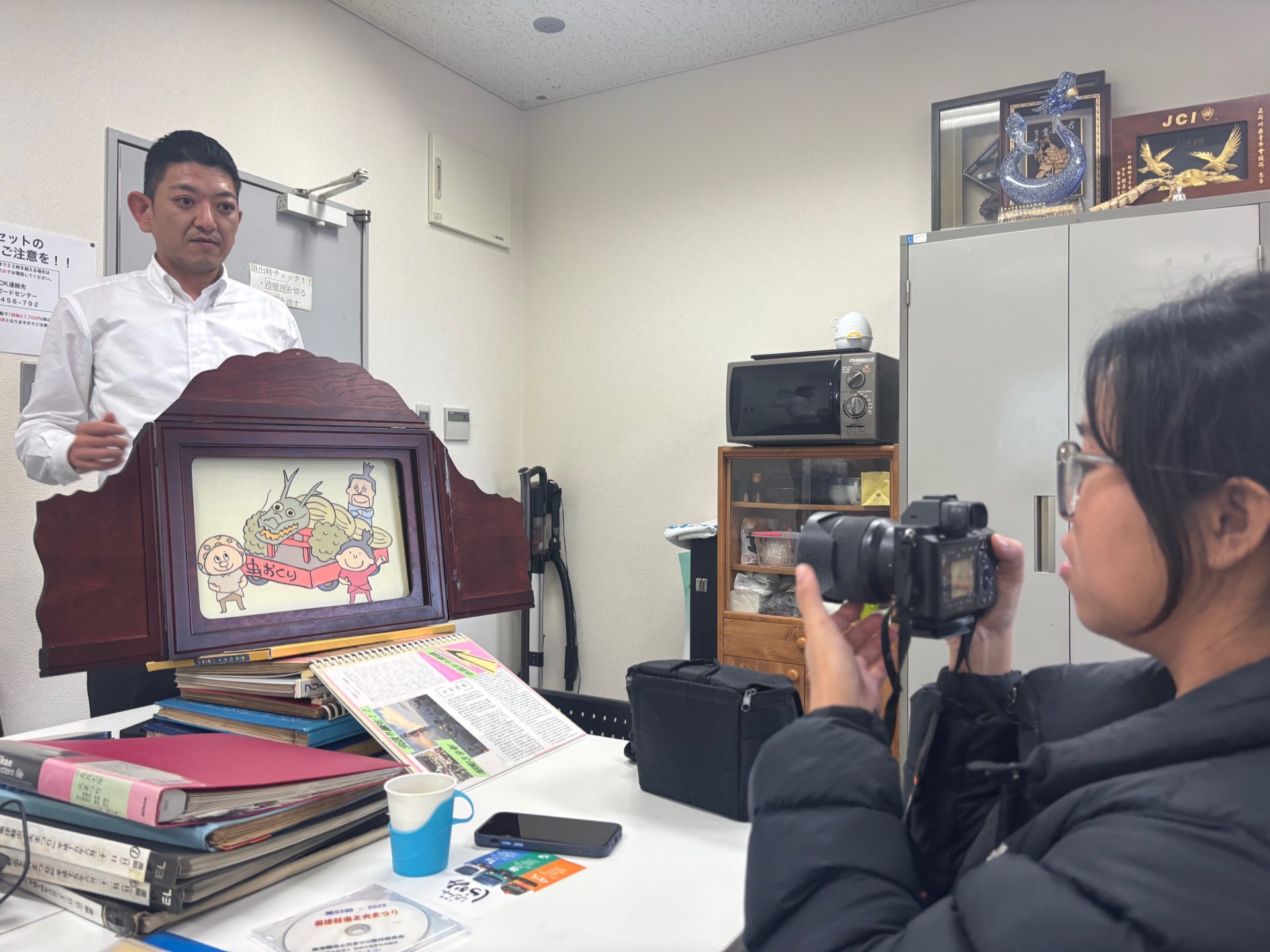
今回が初めての日本滞在であり、当初立てた計画はかなり意欲的なものでした。それでも実際には、岐阜県や三重県で働く友人を訪ねたり、日本で暮らすイサーン出身の移住労働者へのインタビューを行ったりと、当初の計画を実現することができました。そして、その旅は、《Grassy Diary》というプロジェクトとして記録しました。この作品では、地域から姿を消しつつあるバッタの記憶をたどっています。学芸員の助言を受けながら、五所川原市や青森市で行われている「虫送り」の行事についても調査た中で、日本では文化的な知識や伝統が体系的に継承・保存されていることを知り、大きな学びとなりました。青森は一見すると静かでゆったりとした場所ですが、人々や文化には非常に豊かな奥行きがあると感じました。
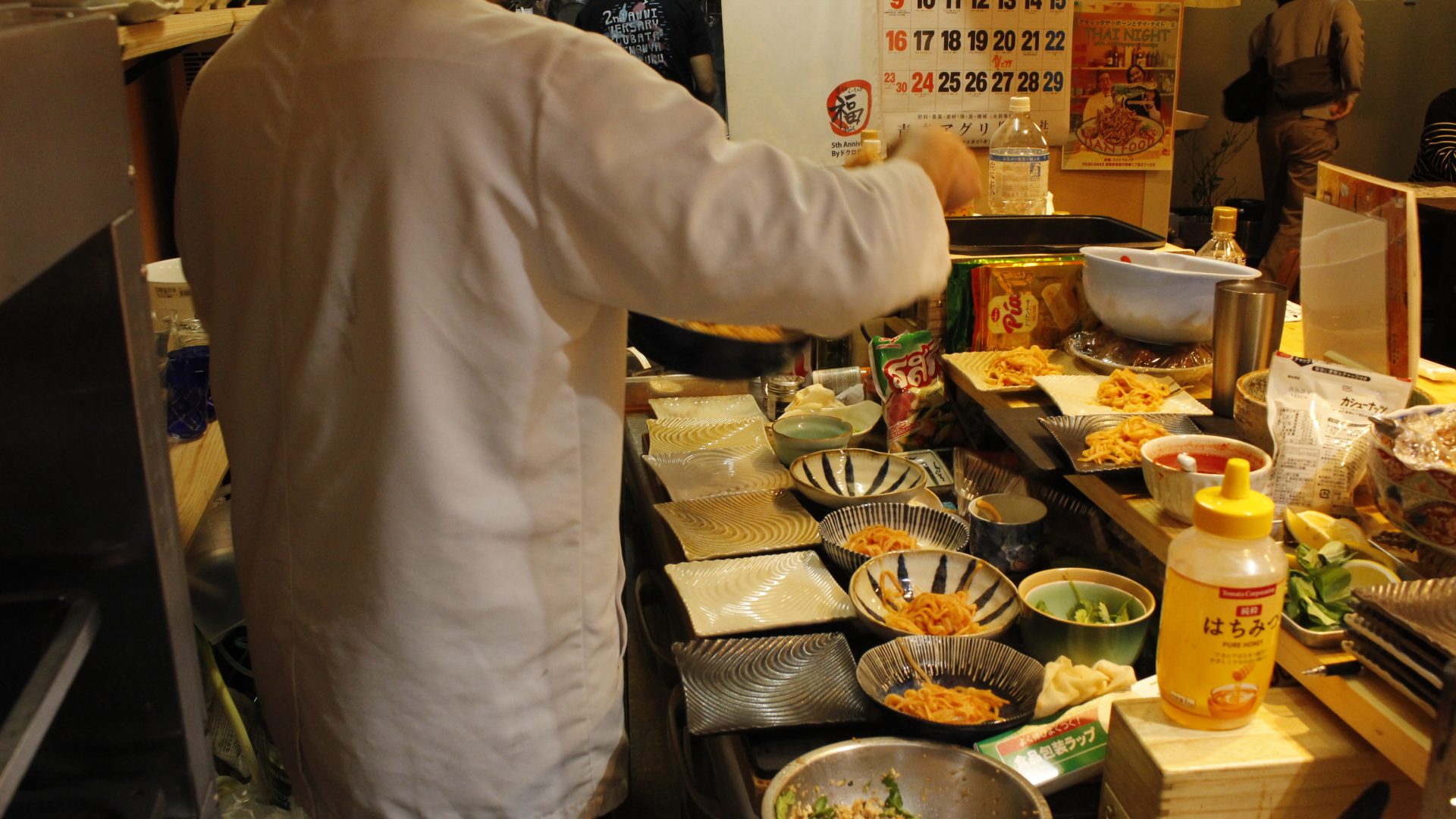
一方で、展覧会の準備に加え、「アティッタヤポーンとタイ・ナイト☆彡」というイサーン料理のイベント、大阪でのワークショップの企画、そして最後のパフォーマンスと、多くの活動を同時進行で進めなければならなかったことは大きな挑戦でした。それでも、すべて無事にやり遂げることができ、多くの方々に好意的に受け止めていただきました。
他のアーティストやゲスト審査員、地域の人々といった他者との協働ややりとり、この土地について印象に残っていることなどはありますか
私の作品は協働を重視しているため、イサーンの人らしい、親しみやすく率直で温かな姿勢を大切にしながら、他のアーティストやキュレーター、地域の方々との関係を築いています。よく、ニックネームを付けたり、家族のように接したりすることで、お互いに親しみを感じられる関係をつくっています。
ACACに参加する前にはジャカルタでのレジデンスに参加しており、そこで出会ったアディ・スンドロとACACで再会しました。知っている顔がいたことは、とても心強かったです。私は彼のことを「Apa(あるいはBang)」と呼んでいました。これは「お兄さん」を意味する、親しみと敬意を込めた呼び方です。また、学芸員の瀬藤朋さんや参加アーティストの丹治理恵さんのことは、面倒見の良いお姉さんや母親のような存在に感じたため、「Mami」と呼んでいました。前谷開さんには、レジデンス期間中を通して多くの助言と支えをいただいたことから、「ティーチャー(先生)」と呼んでいました。
何より印象的だったのは、ACACスタッフの皆さんの献身的なサポートです。私の作品が円滑に実現できるよう、細やかに支えてくださったことに深く感謝しています。
今回の経験は今後の活動にどのような影響をもたらすと思いますか。また、これから予定している活動などあれば教えてください
今回の経験は、私自身の制作活動だけでなく、アーティスト・コミュニティにおける役割について考える上でも非常に大きな意味を持つものとなりました。作品を制作するだけではなく、レジデンス・プログラムがどのように運営されているのか、とりわけ青森という、私が現在拠点とするコンケーンと規模の近い都市でACACがどのような仕組みで活動しているのかを知ることができたのは大きな収穫でした。
特に、コーディネーターの役割や、充実したサポート体制がアーティストの制作をどのように支えているのかに強い関心を持ちました。今後は、この経験を仲間のアーティストたちと共有し、イサーン地域の芸術環境をより豊かなものにしていきたいと考えています。
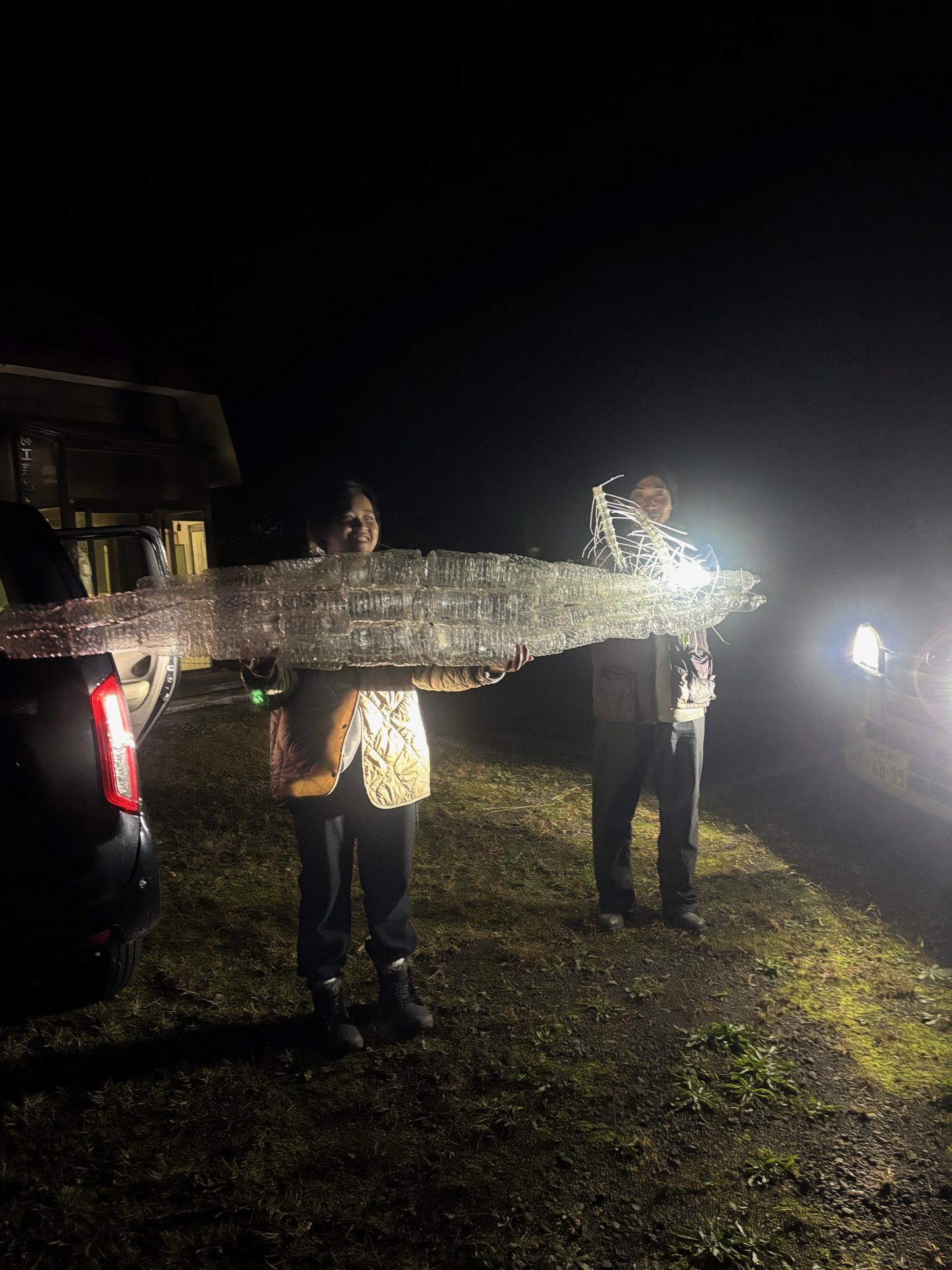
今後も《Grassy Diary》をさまざまな地域で発展させていく予定です。また、KULTX Collectiveのメンバーとともに、現代美術を通じた地域間の対話をさらに広げていきたいと考えています。
現在は、「メコン・トリエンナーレ(Mekong Triennale)」の準備も進めています。このプロジェクトは、今後3年間で開催地域を3県から6県へと拡大する計画であり、イサーンのアートシーンをより広いプラットフォームへ発信していく重要な機会になると考えています。
(インタビューは2026年4月に実施。)
Participated in Artist in Residence Program 2025 “CAMP”
What inspired you to become an artist, and how did you embark on this path? Please share your journey, including what you have learned and what has influenced you.
My primary inspiration comes from my family. I became aware of my desire to create art at a young age, especially through the influence of my grandparents, who were Mor Lam performers. This traditional form of performance reflects the cultural identity of the Isan region and shares deep roots with Lao culture.
My father has also been a significant influence. Although he is an English teacher, he has strong skills in design. As a child, I often saw his drawings on the bookshelves where I spent time reading. These early visual experiences gradually shaped my interest in art.
I grew up in a rural area of Roi Et province, where access to contemporary art spaces such as galleries was limited. However, being the child of a teacher gave me early access to a computer. I experimented with drawing programs like Paint, and this curiosity developed into a long-term engagement with art.
Later, I pursued a degree in Fine Arts at King Mongkut’s Institute of Technology Ladkrabang, where I studied sculpture. The program emphasized three-dimensional practice alongside critical thinking, which became fundamental to my artistic development.
During this time, Thailand was undergoing political shifts alongside the COVID-19 pandemic. Student protests emerged nationwide, and education moved online. Returning home allowed me to reflect more deeply on my interests, particularly regarding Thai society, rural life, and the Isan region.
This period marked a turning point. I began producing experimental works that questioned both personal and collective experiences. I also became interested in decentralization through artistic practices in Isan. I came to understand that the sense of inferiority I once felt while studying in Bangkok was not personal, but structurally produced by unequal systems of power and resource distribution.
After graduating, I committed to becoming an artist. I was selected as one of four artists for the “Gold Rush” residency by KULTX in Khon Kaen, which became a significant starting point for my career. I continue to work with KULTX while developing personal projects connected to my hometown and the Isan region.
What motivated you to apply for the Artist in Residence Program 2025 “Camp SCAPES”?
I was drawn to the ACAC residency because of its open and flexible framework, which aligns closely with my artistic concerns. I learned about the program through my friend Law Peysien Low from Malaysia, who participated in 2023 and encouraged me to apply.
The theme “CAMP” strongly resonates with my intention to address the social and regional issues affecting my community. This residency offers an opportunity to bring these concerns into dialogue with a new context—Japan—and to create conversations across different regions.
I also believe in the strength of ACAC as an institution that provides effective support systems for artists, allowing for meaningful experimentation and development.
Were there any new discoveries or challenges you encountered during your research, artwork creation, or final presentation at the AIR program?
I discovered many new perspectives throughout both the research and creative processes. ACAC provided a supportive environment that allowed me to fully explore my ideas.
This was my first time traveling to Japan, and my initial plan felt quite ambitious. However, I was able to realize it, including visiting a friend working in Gifu and Mie, and interviewing Isan migrant workers living in Japan.
I documented this journey through my project Grassy Diary, which traces the memory of grasshoppers that have disappeared from local environments. With the guidance of my curator, I also researched the Mushi Okuri ritual in Goshogawara and Aomori, which revealed how cultural knowledge in Japan is systematically preserved.
Although Aomori appears quiet and slow-paced, it holds a deep richness in its people and culture.
One of the main challenges was managing multiple activities simultaneously, including an exhibition, a “Thai Night with Atittayaporn☆彡” food workshop&event of Isan food, organizing the workshops in Osaka, and a final performance. Despite initial concerns, these activities were successfully completed and well received.
Did any interactions with other artists, guest judges, or local community members leave a strong impression on you? What are your lasting impressions of this place?
As my work often involves collaboration, I use my Isan identity—being open, friendly, and sincere—to build relationships with fellow artists, curators, and local communities.
I often create a sense of familiarity by giving nicknames, treating collaborators like family. Before joining ACAC, I participated in a residency in Jakarta, where I met Adi Sundoro, whom I later encountered again at ACAC. Seeing a familiar face helped me feel more at ease. I called him “Apa” (or “Bang”), a respectful and friendly term meaning “older brother.”
I also addressed other artists with affectionate respect—for example, calling Tomo Setou, ACCA curator and Rie Tanji, participating artist “Mami,” as they felt like caring older sisters or maternal figures. I referred to Kai Metani as “Teacher,” as he offered guidance and strong support throughout the residency.
What impressed me most was the dedication of the ACAC team, who ensured that my work could be realized smoothly.
How do you think this experience will influence your future practice? Also, if you have any upcoming projects, please share them with us.
This experience is highly valuable and will significantly influence both my artistic practice and my role within artist communities.
Beyond creating art, I gained insight into how residency programs are managed, particularly how ACAC operates within a city like Aomori, which is comparable in scale to Khon Kaen, where I am currently based.
I became especially interested in the role of coordinators and how support systems can enhance artistic production. I plan to share this knowledge with fellow artists and apply it to strengthen the art ecosystem in Isan.
In the future, I will continue developing Grassy Diary in new contexts. Together with KULTX Collective, I am also working toward expanding regional dialogue through contemporary art.
We are currently planning the “Mekong Triennale,” which will expand from three to six provinces within the next three years—an important milestone in positioning Isan’s art scene on a broader platform.
You are working as part of an art collective in the Isan region. Bangkok also has a highly active arts and cultural scene, but are there any differences between art collectives in Bangkok and those in Isan?
While Bangkok has a vibrant and resource-rich art scene, the key difference lies in perspective.
In Isan, art is not only about aesthetic expression but also serves as a tool to raise awareness and help communities recognize the value of their own local context.
In contrast, resources and opportunities in Thailand are heavily centralized in the capital. As a result, artists in Isan often adopt a decentralized approach, building networks across Southeast Asia and internationally.
I believe that Isan holds immense cultural and historical potential, and it can play a significant role in shaping contemporary art discourse beyond the dominance of Bangkok.
*Interview conducted in April 2026.