前谷 開
MAETANI Kai
1988年愛媛県生まれ、神奈川県在住。2013年、京都造形芸術大学(現・京都芸術大学)大学院芸術研究科表現専攻 修士課程修了。自身の行為を変換し、確認するための方法として、主に写真を用いた作品制作を行う。訪れる場所や、そこで起こる状況、関係性のなかに自分がどのように立つことができるのかを考え、実践し、その状況を記録して作品化する。制作活動の出発点であるセルフポートレイトを発展させながら、自身の立ち方と、それを風景として見つめるもうひとつの視点を行き来し、“自らの位置”について思索するための装置としてカメラを扱う。共同スタジオ「山中suplex」、アーティストグループ「木曽路」、「ARCHIVES PAY」に所属し、共同制作や記録撮影などを行う。
Born in Ehime Prefecture in 1988, Maetani now resides in Kanagawa Prefecture. In 2013, he received an MA in Fine Art from the Kyoto University of the Arts. He works primarily with photography, which he uses as a means to transform and affirm his own behaviors. He thinks about how he can relate to the places he visits and the situations that arise there, then puts those ideas into practice and creates artworks that document the outcomes. Starting from self-portraits, he then develops his creations using the camera to contemplate his “own position,” moving back and forth between his own standpoint and another which views him as part of the landscape. Maetani also engages in artistic collaborations and archival photography as a member of the shared studio “Yamanaka Suplex,” as well as the artist groups “Kisoji” and “ARCHIVES PAY.”
- 日本語
- ENGLISH
アーティスト・イン・レジデンス プログラム2025「CAMP」 参加
アーティストになろうと思ったきっかけや、どのようにしてアーティストとなったのか、学んできたことや影響を受けた物事などを踏まえて教えてください。
陶芸家だった父の影響は大きいと思います。幼い頃は父の工房でよく遊んでいました。物心がつく頃から、どこか人と違うことがしてみたいというこだわりが自分の中にあり、その点は現在も変わらない部分だと思います。高校3年生の時、進路を決めるにあたっても独自性を発揮し、突然美大を目指し、京都造形芸術大学に入学しました。大学では陶芸を専攻し、これも父から影響を受けたという以外には考えられないのですが、後を継ぐような覚悟を持って選んだわけでもなく、しかし、美術の中で唯一親しみがあったのが陶芸でした。大学院に進学する頃には現代美術に惹かれていて、陶芸だけで制作する事に窮屈さを感じ、写真での作品制作を始めました。院生時代、小宮太郎さんと鬣恒太郎さんが近くにいて、二人やその周りにいた少し年上のアーティストたちから、とても影響を受けました。アーティストとして生きていく、ということを考えはじめたのもこの頃でした。はっきりとしたターニングポイントは、2014年に名古屋にあるYEBISU ART LABOで個展をした時でした。アーティストの山下拓也くんに紹介してもらって決まった個展だったのですが、山下くんに叱咤激励されながら展示をして、アーティストとしての意識を持つようになりました。すぐに金は稼げずとも、これが自分の仕事だと決意したのはこの時でした。
今回のAIRプログラムに応募したきっかけを教えてください。
今回、ACACのプログラムに応募した時点では、僕は横浜にある結婚式場と契約している写真の会社に、週5日フルタイムで勤務していました。もともと会社員として働くのは一時的な事として考えていましたが、家庭を維持するためにはとにかく働き続ける必要があり、会社で働きながら、フリーランスになる準備をしていたところでした。アーティストとして自由に活動したいと思いながら、外的なきっかけ無しには当時の仕事を辞められない状況でした。
そんな中、ちょうどAIRの公募期間中だった2025年の3月、十和田市現代美術館で開催されていた谷中佑輔 「弔いの選択」展を見たかったこともあり、ACACもついでに見られればと思い、見学の申し込みをして青森を訪れました。レジデンス滞在中に僕の担当となった原田さんと初めて会い、丁寧に施設を案内していただき、奇遇にも滞在中だったちびがっつと敷地くんに遭遇し、八甲田山の樹氷を見に行き、ダッシュで酸ヶ湯温泉に浸かってからレンタカーをぶっ飛ばして十和田に向かうという、とても印象深い一日を過ごしました。自分にとって、行ったことのない土地のレジデンスに対してプロポーザルを書くのはとても難しいことで、一泊二日の青森旅行はそのハードルを取り除くための、非常に重要な経験でした。
AIRで行ったリサーチ・作品制作・成果発表において新たに発見したことや挑戦したことなどあれば教えてください。
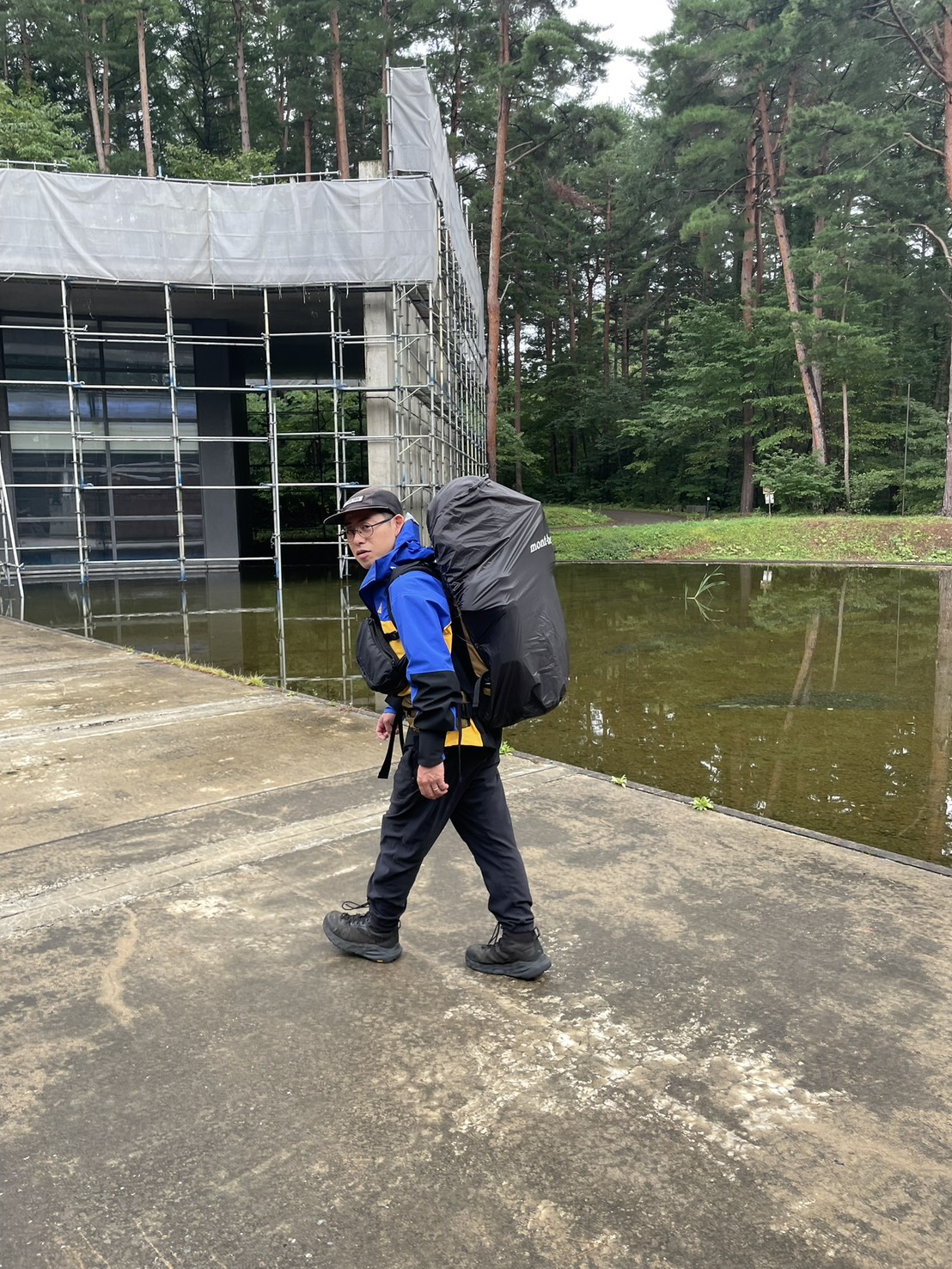
“風景”という茫漠とした対象を捉えるために、まずは風景の中に自分が立つことが重要だと考え、津軽半島を歩きました。津軽半島の風土や人の様子に触れながら、最低限のキャンプ道具を担いで歩きながら考えていたことは、風景よりもむしろ、自分の‟生活”のことでした。僕は風景の中でも、自分の生きている実感に興味を惹かれているのだと気づき、滞在中の制作へとつながっていきました。
応募書類に書いたステイトメントには、制作活動以前の生活から、自分の作品制作が始まっていると書かれていました。しかし、いま振り返ると、書いた時にはその言葉の意味するところを掴めていなかったように思います。それどころか、自分で書いておいて忘れかけていたことでもありました。実践を通して言葉が自分に返ってきて、改めてその意味を理解する感覚がとても面白く、有意義な経験でした。
他のアーティストやゲスト審査員、地域の人々といった他者との協働ややりとり、この土地について印象に残っていることなどはありますか。
一緒に滞在した4名のアーティストたちとは、良い関係を作れたと思います。彼らの近くに行く機会ができたら、連絡して会いに行きたいと思います。アスンは滞在中も遠隔で仕事をしている様子を目にすることもあり、普段の生活や仕事について話せたのも良い時間でした。食後に雑談をしたり、一緒に移動する中で仲良くなるのには全く抵抗を感じなかった一方で、お互いの作品について話すことはやや難しく感じられました。制作の様子を垣間見ることはあるけれども、込み入った内容について話した時間があまり多くはなかったのは、振り返ると少し残念なことでした。自分は制作が佳境になると神経質になる方なので、自分のペースを保つことを優先してしまったように思います。滞在アーティスト全員で進捗をプレゼンするなど、プログラム内で制度化されることがあっても良いのかなと思いました。
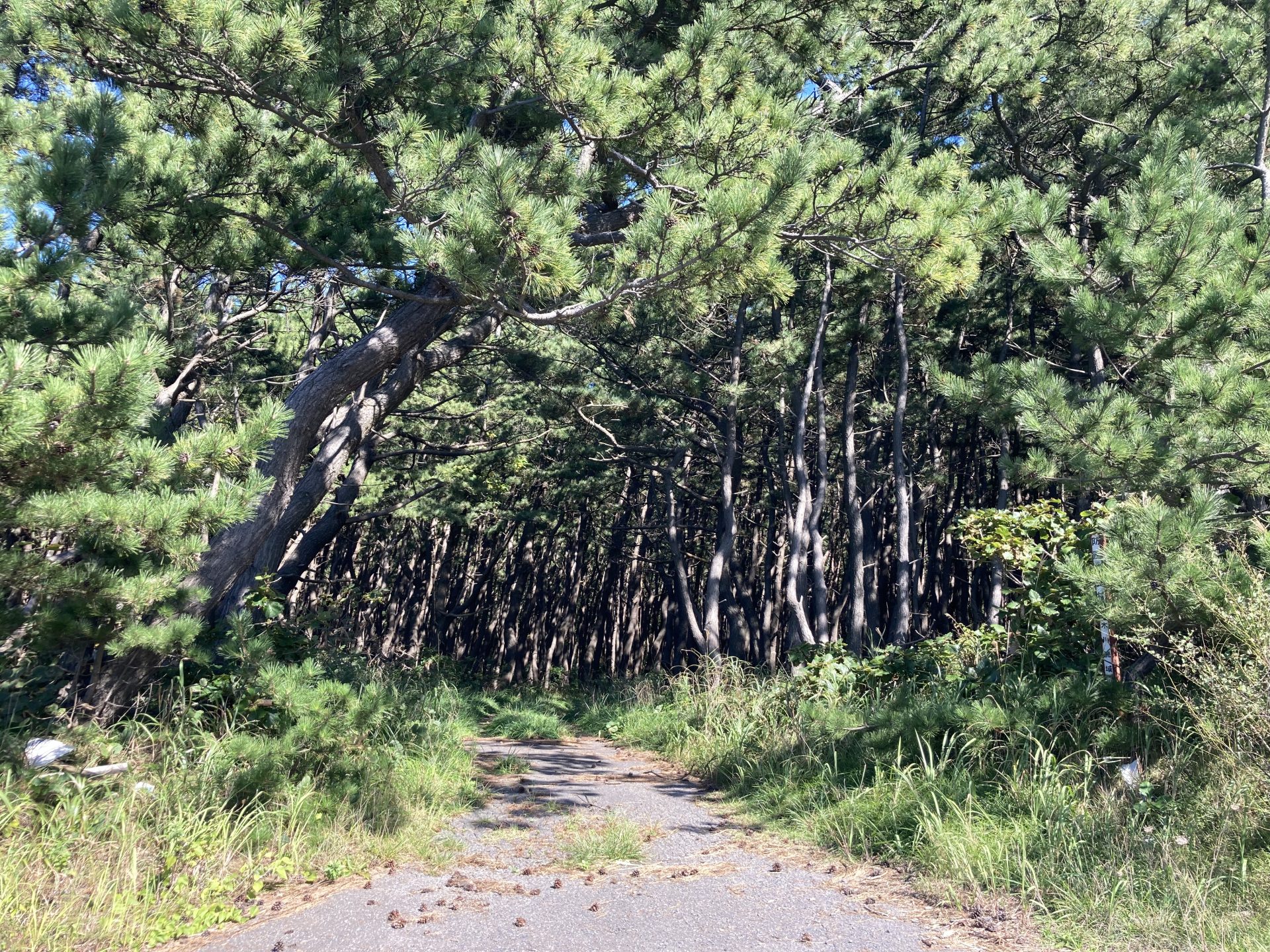
昨年は熊の出没が多発し、リサーチ中も熊との遭遇に注意する場面が多くありました。ACACの敷地内でも森への立ち入りは禁止されていて(森こそがACACであるのに!)、しかし、慣れてくると恐怖はなくなり、出会おうと思って出会えるものでもないな、と思うようになりました(遭遇する可能性は常にあるので、慢心と言われれば全くその通りなのですが)。熊の本拠地とも言える東北地方の山麓で生活すると、報道を介して見る熊天国(熊地獄)としての東北はほとんど視界に入らず、普通の日常の中に、見えないだけで熊もその辺りにいるのだろうと、常に熊のことを考えていても仕方ない気持ちになってくるものでした。
今回の経験は今後のあなたの活動にどのような影響をもたらすと思いますか。また、これから予定している活動などあれば教えてください。
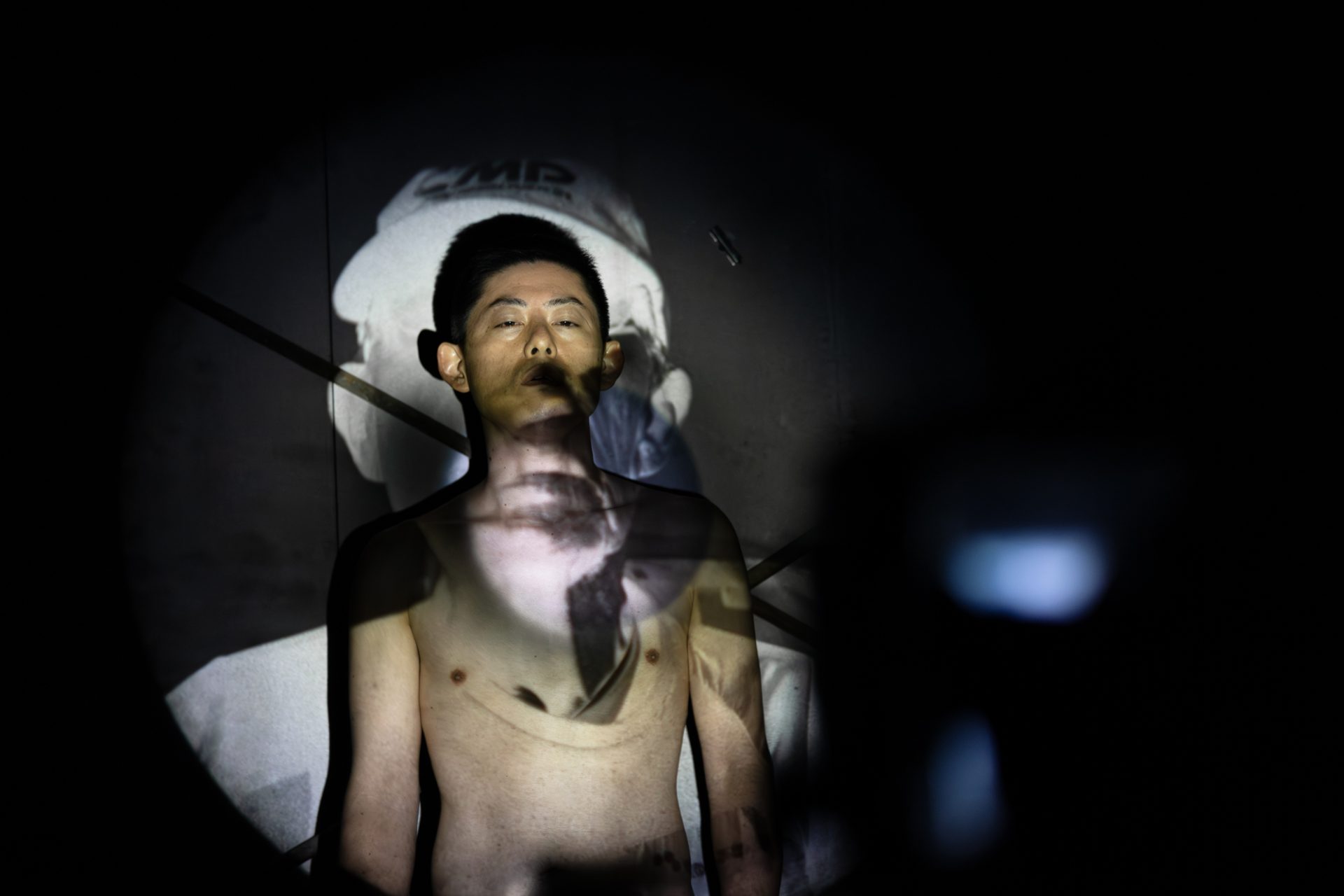
セルフポートレイトを拡張しながら作品制作を行う中で、近年は風景について考えています。今回のレジデンスでは、生活や文学など、これまであまり関心を向けてこなかった分野に興味を惹かれる機会が多くありました。やや手詰まりに感じていた風景についての制作にも、これまでと別の方向に視野が開けていきました。これまで写真や映像として発表してきた撮影の現場を公開する形で、パフォーマンスができたことも大きな成果でした。計画としては、パフォーマンスの記録や痕跡から、また展示などの別の形式として立ち上げることを考えていましたが、そこまでは実行できず、今後も展開していければと思います。現在は初の写真集の出版に向けて制作を進めています。
今回のAIRで前谷さんは参加者の中で一番長く滞在されていました。また、公募前やプログラム期間後も自主滞在でACACに来られていました。長く、何度もACACに滞在したからこその気づきなどあれば教えてください。
AIRのプログラム期間は9月~12月でしたが、その後も1月半ばまで、約4ヶ月に渡ってACACに滞在しました。少し滞在期間を延ばしたことで、夏から秋に感じた、すごしやすく豊かなイメージとは全く異なる、冬の厳しさも感じることができたのは良かったと思います。青森と神奈川を何度も往復しながら滞在した経験を経て、青森は心理的に遠い場所ではなくなりました。またそのうち、自主滞在したいと思っています。今回の滞在期間は、施設改修のために休館中であったことも影響して、施設の広さに対して利用する人は少なく、基本的にとても空いていました。制作場所には基本的に誰も来ないでほしいと思っている僕としては、非常に良い環境でした(個人的にはこのまま人気になりすぎないでくれ、とも思います)。とはいえ、そもそも少ない職員で広い施設が管理されているために、しばらく使われないまま埃に埋もれていく部分があるのはもう少し何とかなると良いなと思っていたので、新たに始まったスタジオアーティスト制度はとても良い取り組みだと思います。
Participated in Artist in Residence Program 2025 “CAMP”
Could you please talk about what made you decide to become an artist? How did you get started? What have you learnt since then? What influences have shaped your practice?
I think that my father, who was a potter, had a big influence on me. I would often play around in his workshop when I was little. For as long as I can remember, I have insisted on doing things that set me apart from other people; that part of me remains as strong as ever. Even when it came to choosing a career path, I decided to go my own way. In my final year of senior high school, I suddenly decided I would try to enter an art university, and enrolled at Kyoto University of Art and Design (now Kyoto University of the Arts). I majored in ceramics, which I have to imagine was also due to my father’s influence, but that decision was not based on a determination to carry on his legacy. Rather, ceramics was the only art that I had any familiarity with. When I moved on to graduate school, I became interested in contemporary art. Feeling the constraints of producing art solely through the medium of ceramics, I began making photographic works. As a graduate student, I was close to KOMIYA Taro and TATEGAMI Kotaro who, along with the older artists around them, were a great influence on me. This was around the time when I first began thinking about making my living as an artist. The clear turning point was in 2014, when I held a solo exhibition at YEBISU ART LABO in Nagoya. The exhibition came about as the result of my being introduced to artist YAMASHITA Takuya, whose pep talks during the exhibition period helped me begin to develop a sense of myself as an artist. It was then that I decided that this would be my calling, even though I knew it would be a while before I could start earning money from it.
What was your motivation for applying to this AIR programme?
When I applied to the AIR programme, I was working full time, five days a week, for a photography company contracted with a wedding hall in Yokohama. I had always intended my working as a company employee to be a temporary arrangement, but I had to stay on in order to support my family as I prepared to go freelance. I was longing for the freedom to pursue my career as an artist, but my circumstances were such that I could not simply leave my job without some external impetus.
This was my situation when, in March 2025, right in the middle of the AIR application period, I decided to visit Aomori. I had already been wanting to see Choose Grief, an exhibition by TANINAKA Yuske at Towada Art Center, and I thought that I could check out ACAC while I was in the prefecture, so I applied for a guided tour there. It was a truly memorable day. I met HARADA Momomi – the curator who would later be assigned to me during my residency – for the first time, and she took me on a thorough tour of the facilities. I also ran into CHIBIGUTS and SHIKICHI Osamu, who both happened to be staying at ACAC at the time. Afterwards, I went to see the frost-covered “snow monster” trees in the Hakkoda Mountains, then rushed over to Sukayu Onsen for a quick dip before finally racing over to Towada City in my rental car. It is quite difficult for me to write proposals for residencies in places that I have never been to, so my overnight trip to Aomori was a crucial experience which allowed me to clear that hurdle.
Could you talk about any new discoveries that you made or challenges that you faced during the research, production, and presentation of your work as part of this Artist in Residence (AIR)?
In order to understand such a broad subject as ‘landscape’, I felt that I first had to go and make myself a part of the landscape itself, so I went on a trek around the Tsugaru Peninsula. As I walked around with the bare minimum of camping supplies on my back, experiencing the climate and people of the peninsula, I was not thinking about the landscape so much as my own ‘life’. Even in the midst of that landscape, I found myself intrigued by my own sense of being alive, and this realisation led me to the work I created for the residency.
In the statement which I included with my application documents, I had written that my creative process starts from what is happening in my life immediately before I begin creating. However, looking back, I do not think I really understood the meaning of those words when I wrote them. In fact, I had almost forgotten that I had written them at all. It was a fascinating and rewarding experience to feel my own words coming back to me through my actions, and to understand their meaning in a new light.
Is there anything that stands out in your memory about the place itself, or about your collaborations and interactions with other people, such as your fellow artists, the guest judge, or the local residents?
I think that I was able to build a good relationship with the other four artists participating in the residency. If I ever happen to be in their neighbourhood, I would like to get in touch and see them again. I sometimes found Asun [Adi Sundoro] working remotely on his jobs back home during the residency; we had a good time talking about our regular lives and work. While I did not feel any hesitation about chatting with the other artists after meals or getting to know them as we went about our business at ACAC and in Aomori City, I did feel that talking about each other’s work was somewhat difficult. I caught some glimpses of the others working, but I wish we had had more time to discuss our projects in detail. I am the type of person who gets nervous as my work reaches its climax, so I think that I ended up prioritising doing things at my own pace. It made me wonder if it might be a good idea to have some formalised parts within these programmes, such as having the resident artists all present to each other on their progress.
There were a lot of bear sightings last year, and I often had to keep a sharp lookout for them while I conducted my research. We were prohibited from going into the forest, even the parts within the ACAC grounds (which was a shame, the forest being such an important aspect of ACAC). However, my fear gradually faded as I came to realise that worrying about running into a bear would not make one suddenly appear (although you would not be wrong to call this overconfidence, since there is always a chance of running into a bear in those parts). During all that time I spent in the foothills of Tohoku – what you might call the ‘home turf’ of Japan’s bear population – I hardly saw anything resembling the region’s portrayal in the national media as a ‘bear heaven’ (or ‘bear hell’). I came to feel that there was no real point in constantly worrying about bears, since they were probably always around me every day, even if I could not see them.
How do you think this experience will impact your future activities? And do you have anything planned at the moment?
In recent years, I have been thinking about ‘landscapes’ as I have been expanding on the theme of the ‘self-portrait’ in my works. During my residency, there were numerous occasions when my interest was drawn to subjects that I had not paid much attention to before, such as ‘living’ and ‘literature’. I even discovered some new perspectives with which to approach my work on ‘landscapes’, which I felt had reached a bit of a dead end. My performance was also very successful, as it gave a behind-the-scenes look at the locations that I had previously presented through photographs and videos. I had been planning to use the records and traces of that performance as the basis for an exhibition or some other format, but I was not able to get that far, so I want to keep developing it. But at the moment, I am working on publishing my first photography collection.
You stayed the longest of all the participants in this year’s AIR. You also came to ACAC to conduct Paid Residencies both before applying to the AIR and after the end of the programme. What insights have you gained from staying at ACAC so often and for so long?
The AIR programme period was from September to December, but I stayed until mid-January, so I was at ACAC for about four months. I am glad that, by extending my stay, I could also experience the harshness of winter, which was totally different from the rich, comfortable atmosphere I experienced in the summer and fall. After going back and forth between Aomori and Kanagawa so many times, Aomori no longer seems like such a distant place. I would like to go back and do another Paid Residency at ACAC sooner or later. It was usually very quiet there, partly because the residency period coincided with ACAC’s renovation and closure to the public, which meant that there were never many people around, relative to the size of the facility. I prefer not to have visitors coming to my workspaces, so for me, it was a wonderful environment. (Personally, I hope that ACAC does not become much more popular than it is now.) That said, given the small number of staff tasked with managing such a large facility, some of the equipment was covered in dust after going unused for a long time. I was hoping that something more could be done about that, so I am very happy to hear that they are introducing a new ‘studio artist’ framework to bring more artists in during the year.
Translation: Ethan SAMES
関連プログラム
-
アーティスト・イン・レジデンス プログラム2025「CAMP」Artist in Residence Program 2025 “CAMP”プログラム期間:2025年9月15日(月)-12月15日(月)Program period: September 15 (Mon) – December 15 (Mon), 2025
- AIR
- 展覧会
- ワークショップ
- レクチャー/トーク
- 公演
- その他
-
前谷開パフォーマンス「歩く、眠る」MAETANI Kai Performance “Walk, Sleep”2025年11月29日(土) 16:00-18:00Nov. 29(Sat), 2025 16:00-18:00
- AIR
- 公演
- イベント
-
前谷開ワークショップ「写真になる」MAETANI Kai: Workshop “Becoming a Photograph”2025年11月1日(土)、2日(日) 10:00-17:00Nov. 1(Sat), 2(Sun), 2025 10:00-17:00
- 上映
- AIR
- ワークショップ
- イベント
-
池田佳穂×参加アーティスト トークIKEDA Kaho × Resident Artists Talk2025年11月15日(土)13:00-16:00Nov. 15 (Sat), 2025, 13:00-16:00
- AIR
- レクチャー/トーク
- イベント
-
ACACの写真部(2025年度)Aomori Contemporary Photo Club FY20252025年4月19日(土)、5月25日(日)、6月22日(日)、7月27日(日)、8月16日(土)、17日(日)、9月28日(日)、11月1日(土)、2日(日)、12月21日(日)
2026年2月22日(日)、3月29日(日)April 19 (Sat), May 25 (Sun), June 22 (Sun), July 27 (Sun), August 16 (Sat), 17 (Sun), September 28 (Sun), November 1 (Sat), 2 (Sun), December 21(Sun), 2025
February 22 (Sun), March 29 (Sun) 2026- ワークショップ
- レクチャー/トーク
- イベント