八幡 亜樹
YAHATA Aki
1985年東京生まれ、北海道育ち。東京藝術大学大学院美術研究科先端芸術表現専攻修士課程修了。同専攻博士後期課程中退後、滋賀医科大学医学部医学科卒業。
フィールド調査や取材に基づく、領域横断的な美術作品の制作を行なう現代美術家。主なメディアは映像+インスタレーション。「(地理的/社会的/心身的な)辺境」の概念を追求し、その一環として、近年では「手食」や「ロードムービー」に焦点を当てる。ロードムービーをVJの手法で即興する試みなど、映像の多岐にわたる展開も探求する。
2022年より世界の手食文化をオンラインアーカイブするウェブサイト「手食」webを立ち上げ、主宰・編集。
芸術により、人間の生命力を伸張する方法を思索・探究している。
Born 1985 in Tokyo, raised in Hokkaido. Completed a master’s degree in the Intermedia Art Course, Tokyo University of the Arts. After leaving the doctoral course of the same department, graduated from Shiga University of Medical Science.
YAHATA Aki is a contemporary artist who creates cross-disciplinary art works based on field research and interviews. Her main media are video + installation. As part of her pursuit of the concept of ‘(geographical/social/physical/mental) frontiers’, she has recently focused on ‘eating-with-hands’ and ‘road movies’. She also explores diverse developments in video, such as attempts to improvise road movies using VJ techniques. Since 2022, she has founded, presided over and edited the website ‘TESHOKU’ web, an online archive of eating-with-hands cultures around the world.
She speculates and explores ways to extend the life force of human beings through art.
- 日本語
- ENGLISH
アーティスト・イン・レジデンス プログラム2024 “SPINNING SCAPES” 参加
アーティストになろうと思ったきっかけや、どのようにしてアーティストとなったのか、学んできたことや影響を受けた物事などを踏まえて教えてください。
高校時代に写真家を志して大学受験を進める中で、東京藝術大学の先端芸術表現科という場所を知りました。写真を含めた広いメディア選択を行えるというところで関心をもち入学。気づけば(写真含む)映像全般を主軸にした活動になっていました。創作活動の大きな転機は大学院の指導教授から「文化人類学」という分野を教えてもらったところだったと思います。現代美術に身を置く中で、「人間の生」と「芸術」というものが乖離していく感覚に違和感を覚えていた頃に、大学院で文化人類学に出会い、自分にとっての「芸術」のあり方に一つの重要な解・方向性を得たという感覚がありました。10代の頃から関心があった「ドキュメンタリー」というものが、文化人類学への関心と緩やかに接続し、そこからまた自分なりの芸術へと形態変化してくという流れがあったと思います。
今回のアーティスト・イン・レジデンス プログラム2024 “SPINNING SCAPES”に応募したきっかけを教えてください。
ちょうど制作のテーマとして考えていたものに津軽海峡があり、青森と繋がりがあるものでした。また、WSあるいはライブパフォーマンス形式の作品展開を考えていた時期でもあり、要項の中で、地域住民や学生の方との交流を積極的に促していたことも、新しい展開の動機づけになると感じました。くわえて、これまで既存のレジデンスプログラムに参加した経験がなく、キュレーターとの協働、展示、広報と、一貫した体制が整っている環境で滞在制作をすることが、自身の活動の幅を広げ、表現を引き伸ばし、結果的に、自身の活動を支えてくれている人たちに恩返しをしていけるのではないかと思いました。中でも、ACACのレジデンスは美術関係者の間でも評価が高く、そういった場に身を置いて制作に集中できることは有意義に違いないと思いました。
アーティスト・イン・レジデンス(AIR)で行ったリサーチ・作品制作・成果発表において新たに発見したことや挑戦したことなどあれば教えてください。
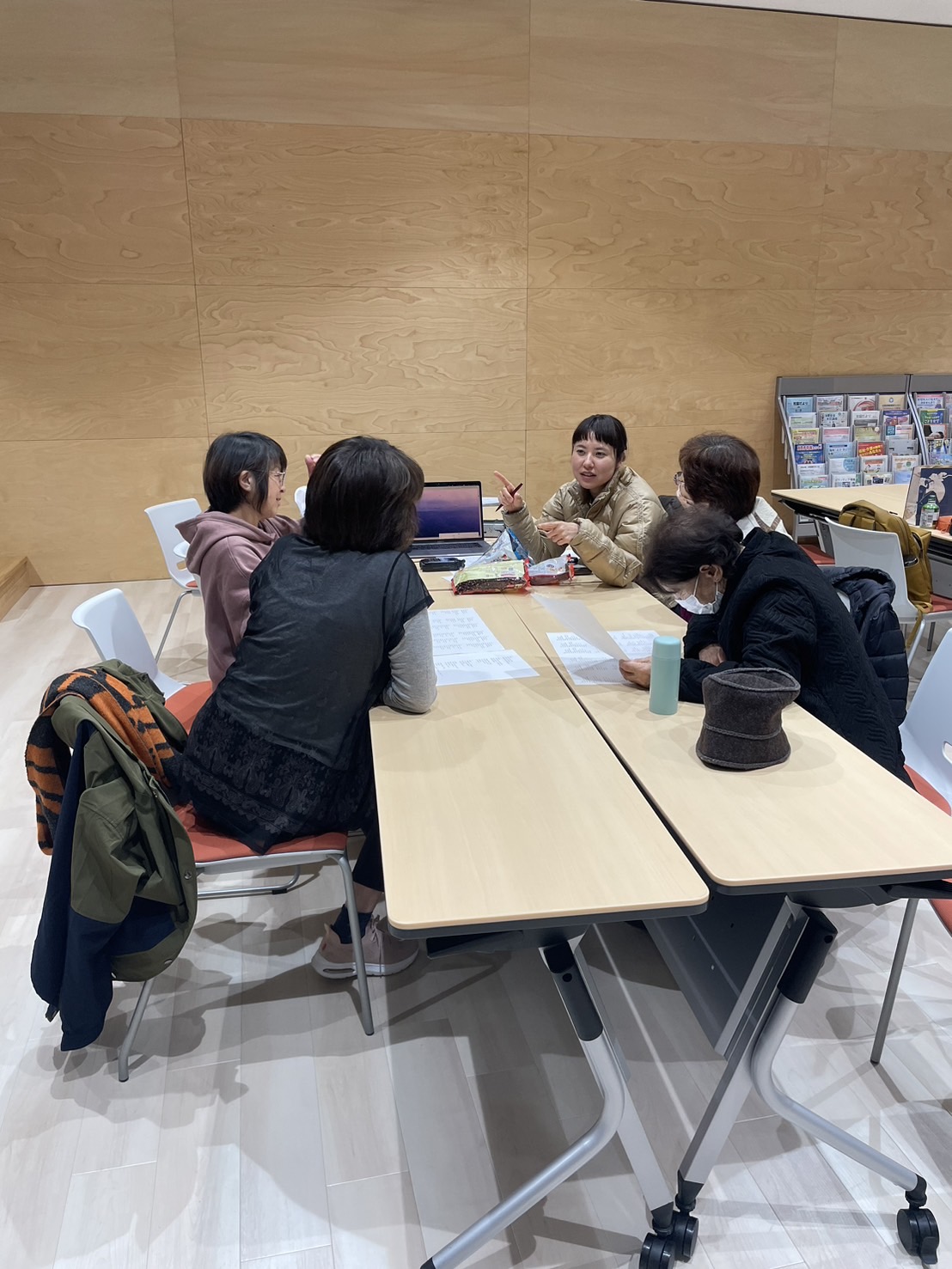
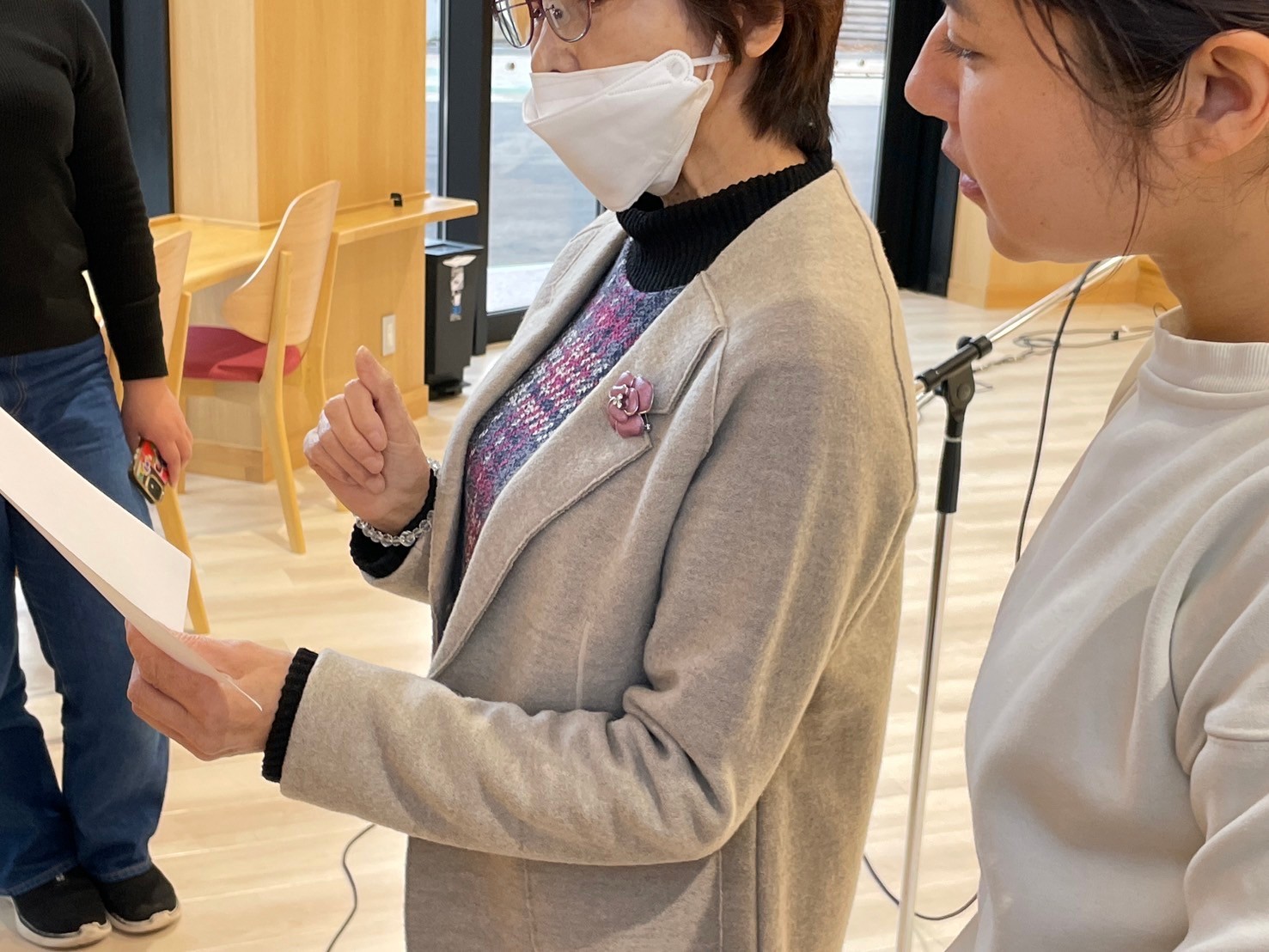
これまで、ある地域に住み込みで滞在し、地域の方と関わりながらフィールド調査を行うことはありましたが、「ワークショップ」と銘打って、その土地の方と制作をするというのは今回が初めてでした。今回は「津軽海峡を主題とした合唱曲の歌詞制作と歌唱のWS」を、音楽家の小松千倫さんにトラック制作・作曲協力で入っていただきながら、大間の方々に参加していただいて実施しました。私は日頃から制作において、関わってくれる方々の気持ちになるべく無理や違和感がなく、関わることに必然性を感じてもらえることを重視してきました。しかし、そもそもの芸術への関心がそこまで高くはない地域の中で、目的意識を共有したり、創作への動機づけを行うことは非常に難しい日々でした。リサーチ含めてあらゆるところにエネルギーを注ぎましたが、「WS参加者を集める」ということは特に大きなエネルギーが必要でした。どうしたら関心を持ってもらえるか?どうしたら自分事と感じてもらえるか?どうしたら楽しんでもらえるか?どうしたら参加者にとって意義のあるものにできるのか?
それは参加者集めであると同時に、作品を作る意味を社会化していくプロセスでもあり、制作における独りよがりを脱却していくための重要なプロセスでもありました。一方で、作品として強度を上げていくことと、地域の人の実際の声や意見をそのまま取り入れていくことが必ずしも一致しないこともあると感じていました。その狭間で揺らぎ取捨選択していくことの中に、「芸術を通してやっていくことの意味や優先順位」が浮き彫りになっていくような感覚がありました。歌、写真、映像など、各要素において重要視したポイントはそれぞれ異なっていますが、仕上げの段階は、ある種の「普遍化」のために調整を行っていたように思います。制作に関係していない、青森から遠い場所の誰かにも届く領域を持たせていくためにどうすれば良いか。ドキュメンタリーではなく、あくまでも「芸術」という形態を選び続けてきたことの意味を再確認した瞬間があったように思います。
作品を展示するということもより多くの他者と作品を共有する行為だと思います。受け取り方は人それぞれだと思うのですが、実際に今回の八幡さんの作品を見た人の反応から新たな気づきなどはありましたか。
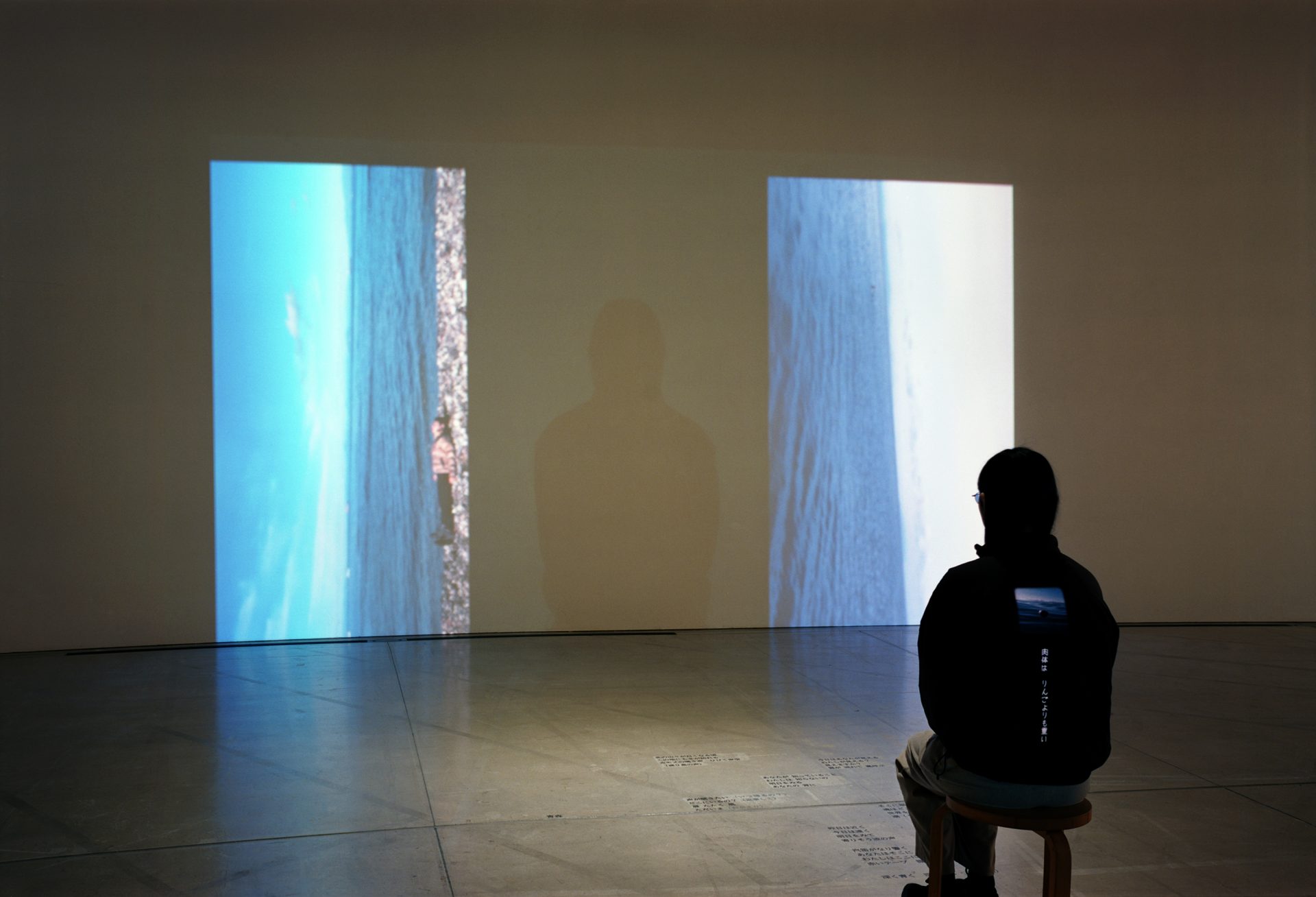
今回、背中に映像を映すことで、他者の身体があって初めて鑑賞が成立する作品の構造を構築しました。現地に来れず、SNSで記録をみただけの人も、この構造を面白がってくれていた印象でした。展示の構造に工夫をすることは、先述した作品の「普遍化」において重要な点だと感じていたので、実際に見ていない人にもそういったリアクションをもらえたことは一つの手応えになりました。地方の美術館で会期が短い場合や、そもそもの展覧会というものが、当たり前ですが「来れた人しか見れない」という事実を孕んでいます。とくに、現代のネット社会において、展覧会の意義は非常に難しい局面にあると思っています。そのような中でも、なんらかの手触りを社会と共有していくために、実際に観に来れなかったとしても何かを持ち帰ってもらえるような、そういった強度のある制作や作品作りを行っていきたいと改めて思いました。
また、ベアトリスの作品のために用意されたルーペで、私のスライド写真を覗き込んでいる人がおり、観客が展示を横断して鑑賞方法を編み出していたことは、予期していなかった嬉しいハプニングでした。鑑賞の方法というものが作り手の意図を超えていかに多様でありうるか、また、個展ではなくグループ展だからこそ起こる化学反応に歓喜した出来事でした。
他のアーティストやゲスト審査員、地域の人々といった他者との協働ややりとり、この土地について印象にのこっていることなどはありますか。
ACACの宿泊棟でアーティストやキュレーターたちと交流した時間はとても印象に残りました。国際色が豊かな施設で、常に英語でのコミュニケーションが必要になり、自分がどこにいるのかを規定できないような不思議な時間を過ごしました。立地も森の中にあり、季節的にも雪深く、そういった環境の辺境性も、野生的な感覚を刺激してくれました。食事や生活を共にする時間は、それぞれの社会的な立場を一旦取り去って、人としても親睦を深めることができた良い時間でした。もちろん、互いの仕事・研究についてもより深く話を聞くことができて、世界を広げることができました。宿泊棟で雪について考えたことが、その次の別のレジデンスでの制作にも繋がっていきました。
今回の経験は今後あなたの活動にどのような影響をもたらすと思いますか。また、これから予定している活動などあれば教えてください。
実は、曲作りWSへの自発的な参加者が集まりにくいという時に、そうであれば無理にやらなくても良いのではないかと思う局面がありました(参加者の自発性=WSの必然性であり、参加者に無理強いしたくないと強く感じていたため)。しかし、ゲスト審査員の近藤さんから、その判断で作品の発展の機会がなくなってしまうのも勿体無い気がする、というような後押しのような言葉をいただいたり、最終的に参加してくださった方々から「楽しかった、参加してよかった」という感想を後日談としてもらえた時に、本当にやってよかったと思えました。自分が主体となって物事を推し進める時、そこにはたくさんの関係者への配慮が必要になります。とくに、普段芸術に馴染みのない方々との協働であれば尚のこと。誰かに無理をさせていないか、傷つけることになっていないかという慎重な問いは絶対に大切ですが、一方で、重い腰を上げて、えいや!と飛び込んでみてもらうことで、なにか新しい気づきを得るきっかけになるかもしれないことも、場を作る側として前向きに捉えてみよう、そういう前進力となる経験になりました(もちろん、自発的に参加してもらえるくらい魅力的な動機づけを目指すことは前提として)。
Participated in Artist in Residence Program 2024 “SPINNING SCAPES”
Could you please talk about what made you decide to become an artist? How did you get started? What have you learnt since then? What influences have shaped your practice?
I was in high school, preparing for the university entrance exams with the hope of becoming a photographer, when I learnt about the Department of Intermedia Art at Tokyo University of the Arts. I was interested in the wide range of media choices the department offered, including photography, and I enrolled there. Before I knew it, my work became focused on visual media in general (including photography). A major turning point in my creative practice came in graduate school, when my advisor taught me about the field of ‘cultural anthropology’. Working in contemporary art, I was becoming uncomfortable with what I sensed to be a growing detachment of ‘art’ from ‘human life’. After being exposed to the ideas of cultural anthropology in graduate school, I felt that I had found an important solution and approach to the question of what ‘art’ meant for me. I think I had made a loose connection between my interest in cultural anthropology and the ‘documentary’ form, which I had been interested in since my teens, and from there I began the process of transforming this connection into my own unique style of art.
What was your motivation for applying to our Artist in Residence programme 2024 ‘SPINNING SCAPES’?
At the time, I had actually been thinking about using the Tsugaru Straits as a theme for my next work, so there was a connection with Aomori. This was also at a time when I had been thinking about branching out into different formats like workshops and performances. The application guidelines, which encouraged active engagement with local residents and students, suggested an opportunity for me to take my work in such new directions. In addition, I had never participated in a residence programme before, and I felt that doing so in an environment with a coherent, well-organised system – one which incorporates collaboration with curators, exhibitions, and public relations – would help me to broaden the scope of my practice, expand the range of my expression, and, ultimately, give something back to the people who support me in my work. Of course, ACAC’s residency programmes also have a high reputation among art professionals, and I was sure that being able to focus on my work while being immersed in that environment would be quite rewarding for me.
Could you talk about any new discoveries that you made or challenges that you faced during the research, production, and presentation of your work as part of this Artist in Residence (AIR)?
I had previous experience living on-site in specific locations, conducting field research while interacting with the people who lived there. However, this was the first time I had ever joined together with local residents to create something as part of a collaborative ‘workshop’, which for this AIR involved writing and singing a chorus piece about the Tsugaru Straits. I enlisted the help of musician KOMATSU Kazumichi for track production and composition support, and invited the citizens of Oma Town to participate. In my practice, I always place great importance on making sure that those involved feel as comfortable as possible, and that their involvement is essential. However, in an area where interest in art had not been especially high to begin with, it was extremely difficult to bring everyone together towards a shared purpose and motivate their creative impulses. I was pouring energy into everything, including my research, but it took a huge amount of energy to gather participants for the workshop. How could I get people interested? How could I make them feel personally invested? How could I make it enjoyable for them? How could I make it meaningful for them?
As I gathered participants, answering these questions required a process of socialising the meaning of making art, along with the crucial process of removing any self-indulgence from artistic production. Meanwhile, I realised that attempts to enhance the work sometimes conflicted with attempts to directly incorporate the actual voices and opinions of the local residents. As I made my choices, wavering between these two poles, I sensed that the ‘meanings and priorities of what I do through art’ were beginning to become clear. The points of emphasis differed between the song, the photographs, the videos, and every other element of the work, but I think that I made some adjustments in the final stages in order to achieve a kind of ‘universalization’. What should I do to give the work something that can resonate with anyone, even someone far away from Aomori, who had nothing to do with making it? I feel like there were moments like this, which reaffirmed for me the significance of having consistently chosen ‘art’ over ‘documentary’.
It seems to me that exhibiting artwork is also an act which involves sharing that work with more people. I’m sure each person receives a work in their own way, but did you gain any new insights from the reactions of the people who actually viewed your piece?
This was the first time that I had created a work which incorporated the physical body of the spectator into its structure, insofar as the video which had to be projected onto someone’s back in order to be seen clearly. But I got the impression that the people who only saw it secondhand on social media enjoyed it as well. I felt that it was important to get creative with the structure of the exhibition in order to achieve the ‘universalization’ that I mentioned earlier, so it was encouraging to have those positive reactions even from people who didn’t actually see the work in person. With art museums outside the big cities, sometimes the exhibition periods are short, and of course the very nature of an exhibition implies that only those who can come are able to see it. I believe that, particularly in today’s digital society, the exhibition is facing a crisis of meaning in this sense. Despite all this, I felt a renewed determination to continue producing and creating works that can form some sort of connection with society; works that people can take something home from even if they couldn’t actually come to see them in person.
There were a few other unexpected but pleasant surprises. The visitors devised their own ways of viewing and moving between the different artists’ pieces; for example, some of them used the magnifying glasses prepared for Béatrice DIDIER’s work to look at my slide photographs. I was delighted to see just how diverse the ways of appreciating art could be, even transcending the intentions of the works’ creators. And it was also a joy to witness the unique chemistry that can only be produced in group exhibitions, as opposed to solo ones.
Is there anything that stands out in your memory about the place itself, or about your collaborations and interactions with other people, such as your fellow artists, the guest judge, or the local residents?
The time I shared with the artists and curators in the Residential Hall at ACAC really left an impression on me. It was a bit of a strange time: the Hall had a real international feel, and I always had to communicate in English, so at times I felt like I couldn’t quite pin down exactly where I was. Added to that was the remoteness of the environment – in the middle of the forest during the time of year with heavy snowfall – and that stimulated a sense of the wild within me. The time we spent eating and living together was wonderful; we could leave our respective social positions behind for a moment, and just build closer relationships on a human level. Of course, we could also learn more about each other’s work and research, and broaden our views of the world. I thought a lot about snow when I was staying at the Residential Hall, and those thoughts led to the work I produced during my next residency at a different facility.
How do you think this experience will impact your future activities? And do you have anything planned at the moment?
Actually, when I was having trouble gathering volunteers to participate in the songwriting workshop, there were times when I felt that perhaps I didn’t need to go so far out of my way to hold the workshop in such circumstances. (The necessity of the workshop rested on the self-motivation of the participants, so I really didn’t want to force anyone to do it.) However, the guest judge, KONDO Ryosuke, gave me some words of encouragement, saying that he thought it would be a shame if that decision were to deprive the work of an opportunity for further development. And when those who finally ended up participating told me afterwards that they enjoyed the workshop, and were glad that they had participated, I was really happy that I stuck with it. When you take charge of something and push it forward, you need to consider the many people who are involved, all the more so when you are working with people who are not normally familiar with art. Am I forcing anyone to do too much? Am I hurting anyone’s feelings? It is essential to carefully consider questions like this, but on the other hand, encouraging people to just get up and go for it might also be the push that provides them with the opportunity for some new insight. This experience has given me the drive to keep going, to look at these challenges optimistically as someone responsible for creating such opportunities (while first, of course, always aiming to provide something compelling enough to elicit spontaneous participation).
Translation: Ethan SAMES
関連プログラム
-
アーティスト・イン・レジデンス プログラム2024 “SPINNING SCAPES”Artist in Residence Program 2024 "SPINNING SCAPES"プログラム期間:2024年10月2日(水)-12月24日(火)
展覧会会期:2024年11月30日(土)-12月22日(日)Program period: Oct. 2 (Wed) - Dec. 24 (Tue)
Exhibition period: Nov. 30 (Sat) - Dec. 22 (Sun)- AIR
- 展覧会
- ワークショップ
- レクチャー/トーク
- 公演
-
【トーク】近藤亮介×参加アーティスト[Talk] KONDO Ryosuke × Resident Artists2024年12月7日(土)14:30-17:00Dec. 7 (Sat), 2024 14:30-17:00
- AIR
- レクチャー/トーク
-
【展覧会】アーティスト・イン・レジデンス プログラム2024 “SPINNING SCAPES”[Exhibition] Artist in Residence Program 2024 "SPINNING SCAPES"2024年11月30日(土)-12月22日(日)Nov. 30 (Sat) - Dec. 22 (Sun), 2024
- AIR
- 展覧会
-
【公開制作・ワークショップ】八幡亜樹:楽曲制作・歌唱WS[Live Art Production, Workshop] YAHATA Aki: Music Creation & Singing Workshop2024年11月18日(月)、19日(火)16:00-19:00Nov. 18 (Mon), 19 (Tue) 16:00-19:00
- AIR
- ワークショップ